
Senior Well-Being Checks: A Simple Way to Stay Ahead of Problems
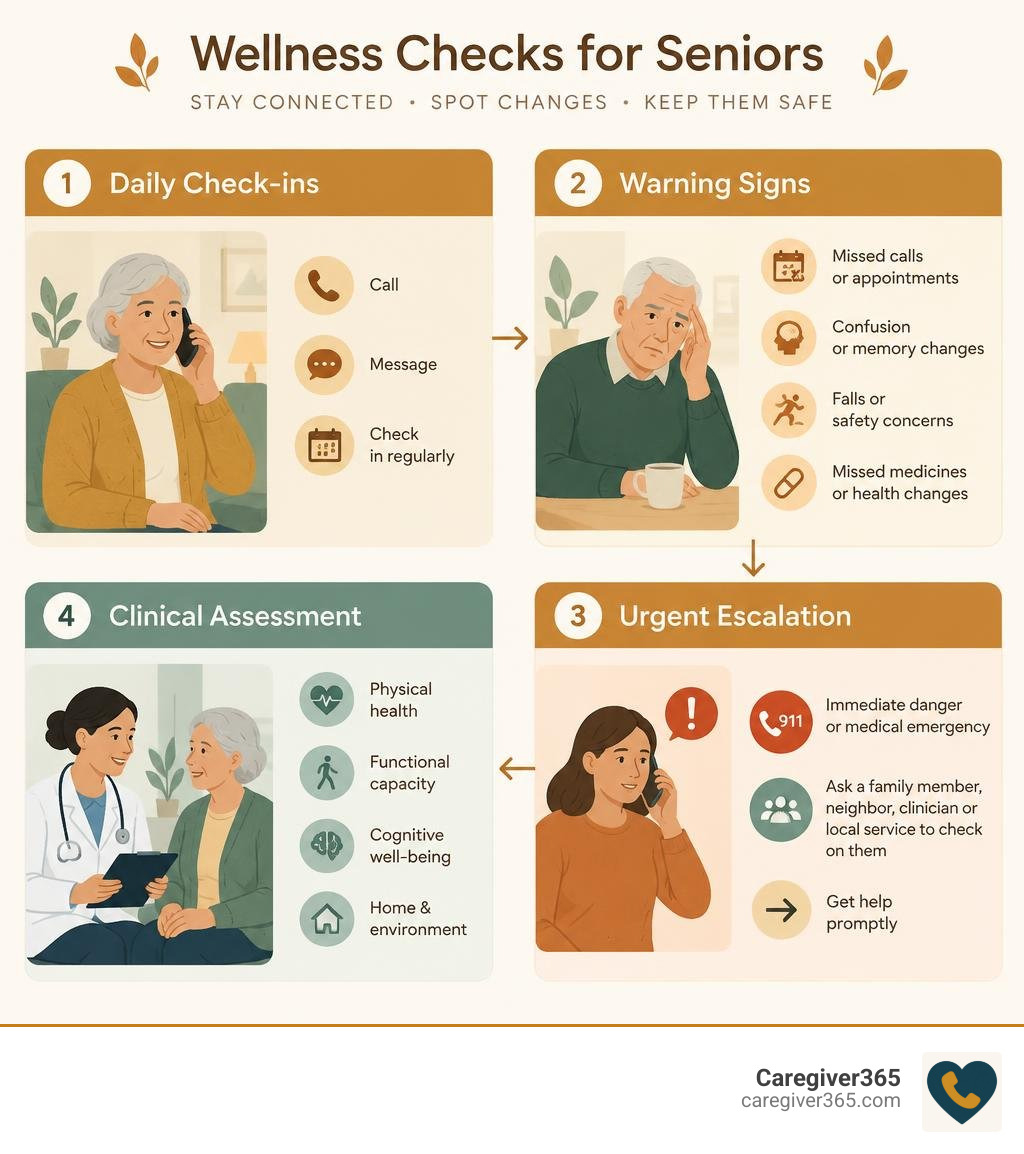
A senior well being check is a planned visit that confirms an older adult is safe, comfortable, and managing well at home. A trained visitor looks for changes in physical condition, mood, daily routine, and home safety, then shares concerns with the family or care circle.
For an adult child caring from a distance, these visits can provide practical reassurance without requiring your parent to learn new technology or wear another device. They can also spot small concerns – such as a trip hazard, missed medication routine, low food supplies, or unusual confusion – before they become a larger emergency.
Unlike a medical appointment, a non-medical well-being visit does not diagnose or treat illness. It adds a regular set of caring eyes and ears to support an aging loved one’s independence, especially when family cannot be there in person. According to the National Institute on Aging, regular social contact and home safety monitoring can help older adults remain independent longer.
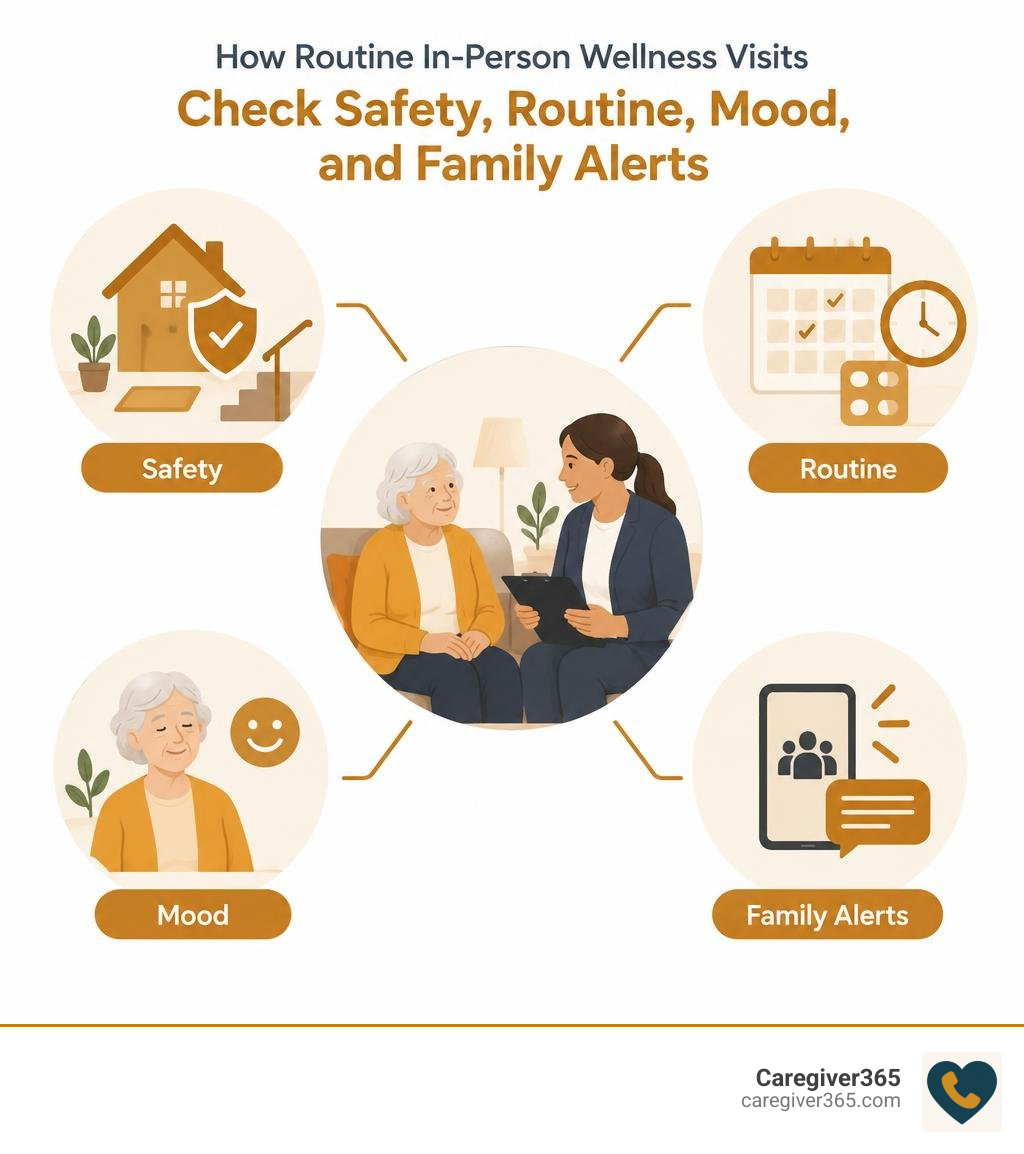
Core Components of a Comprehensive Senior Well Being Check
When an older adult wishes to age in place, maintaining that independence requires proactive support. A comprehensive welfare visit evaluates several dimensions of daily living to build a clear, holistic picture of how a senior is managing.
A thorough assessment typically includes:
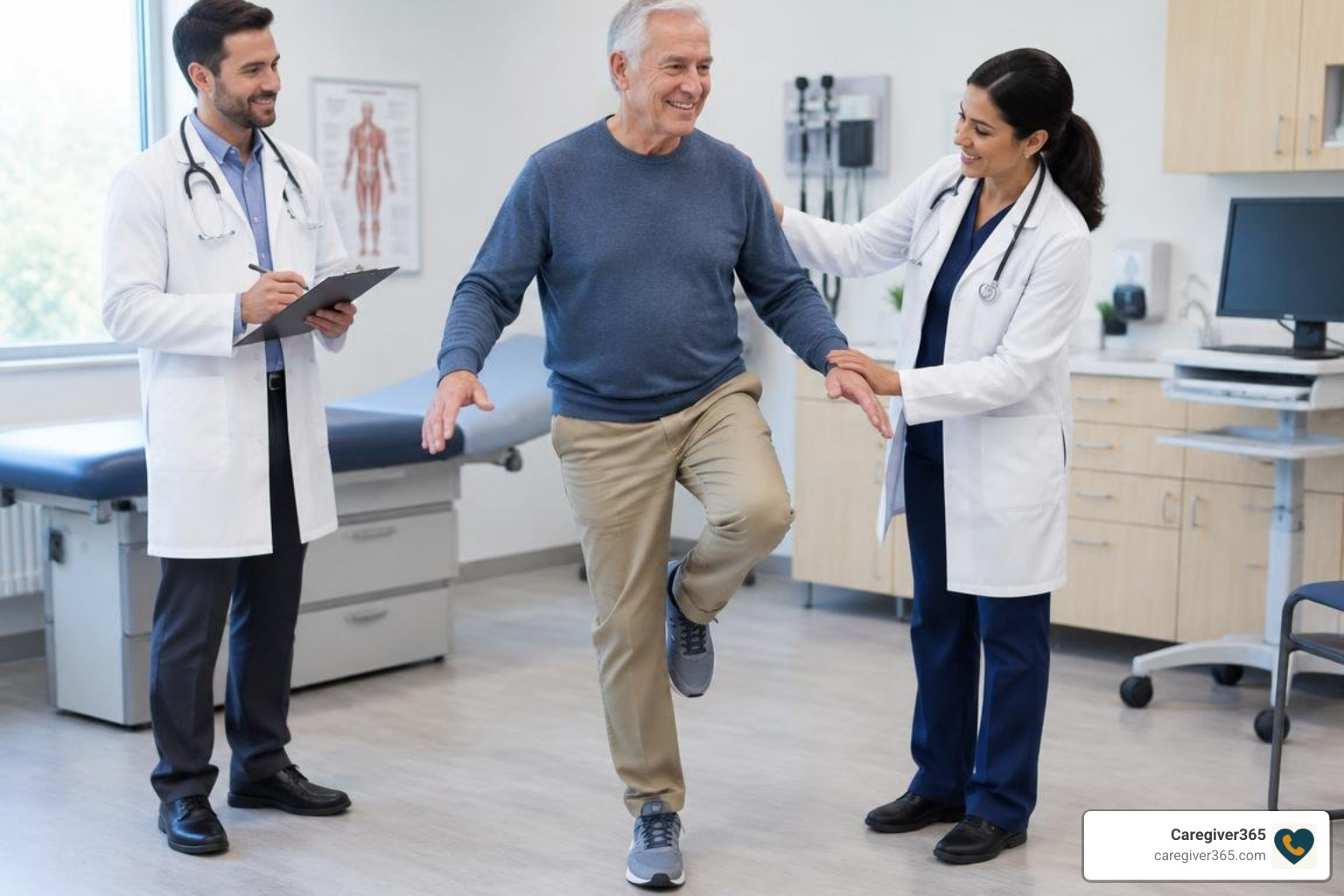
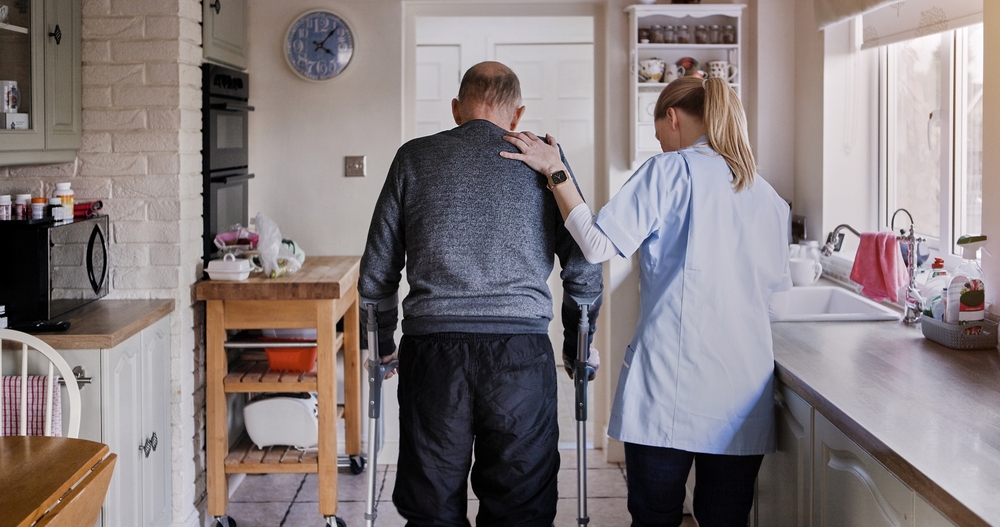
- Visual and Physical Observations: Visitors observe mobility, balance, personal grooming, and general physical vitality. Subtle changes—such as moving with hesitation, favoring one side, or wearing unwashed clothing—can indicate emerging physical limitations or fatigue.
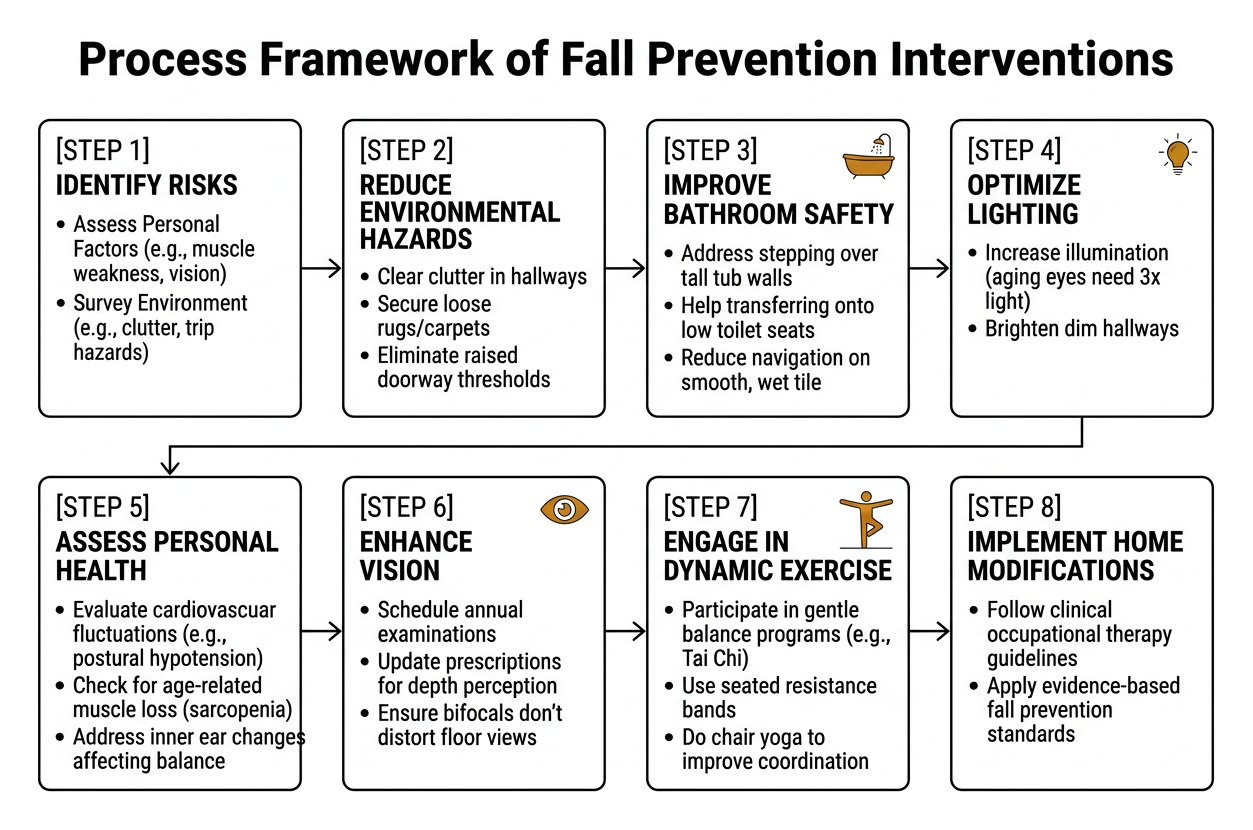
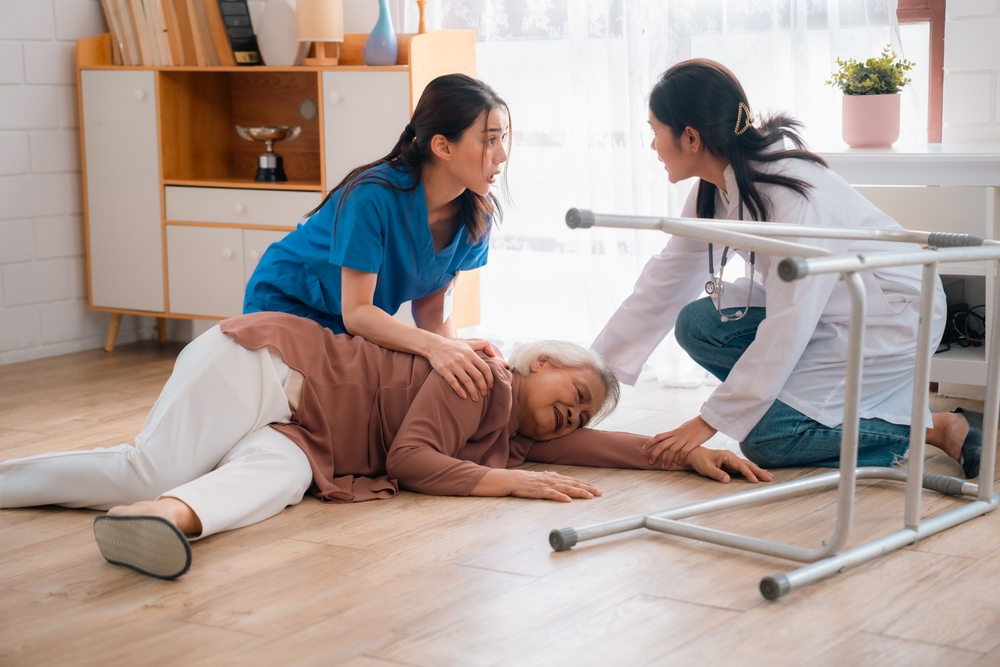
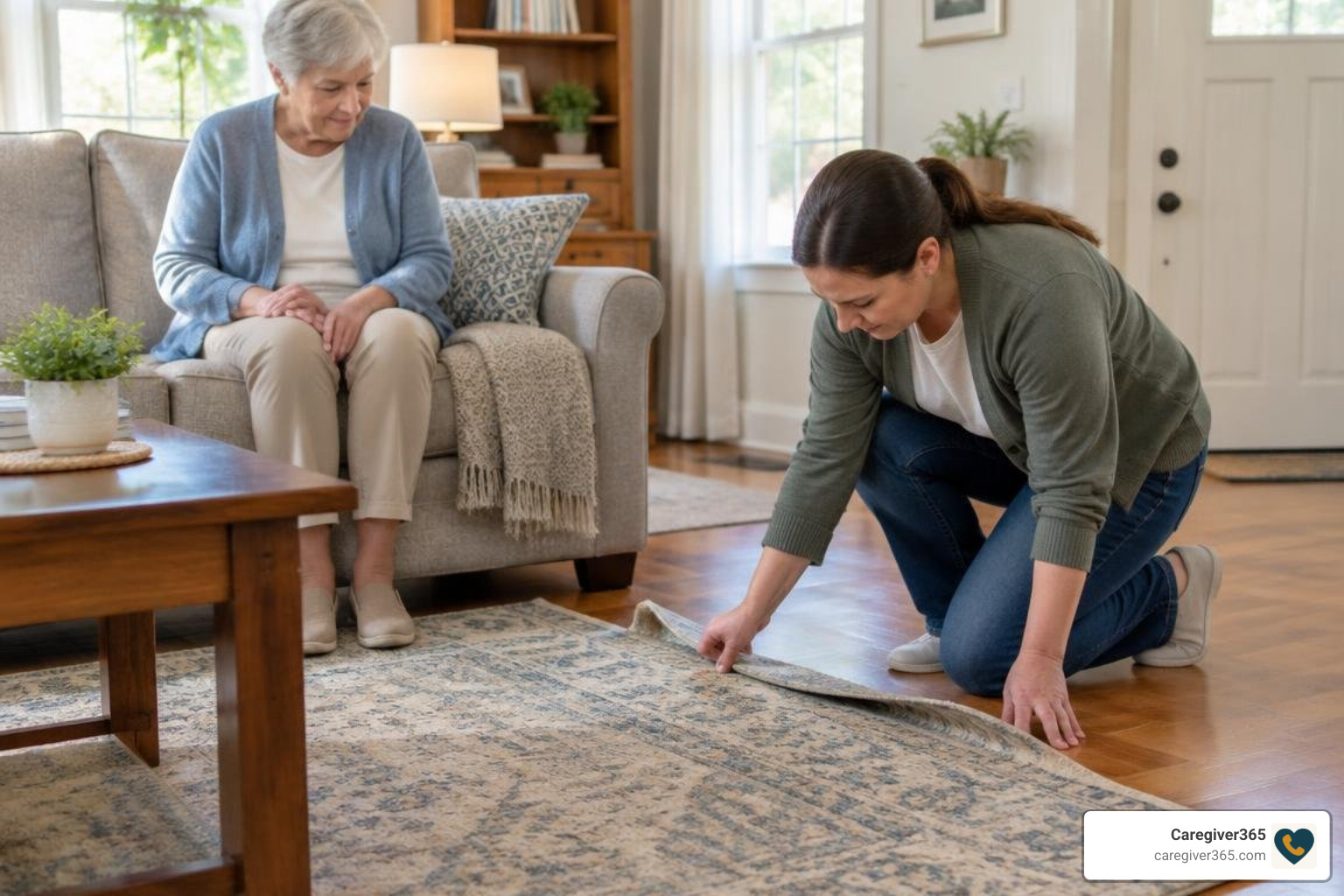
- Living Environment and Fall Hazards: The visitor scans living areas for clear walkways, loose throw rugs, poor lighting, or cluttered hallways. As the adage goes, changing a burned-out lightbulb can be a truly heroic act when it keeps someone safely on their feet.
- Emotional and Mental Status: Engaging in genuine conversation allows the visitor to assess mood, signs of withdrawal, emotional distress, or memory lapses. Sometimes a friendly chat about the morning weather reveals more about cognitive clarity than a rigid questionnaire.
- Nutrition and Hydration Review: Checking the kitchen helps confirm that fresh food is available, expiration dates are current, and meals are being prepared consistently rather than skipped.
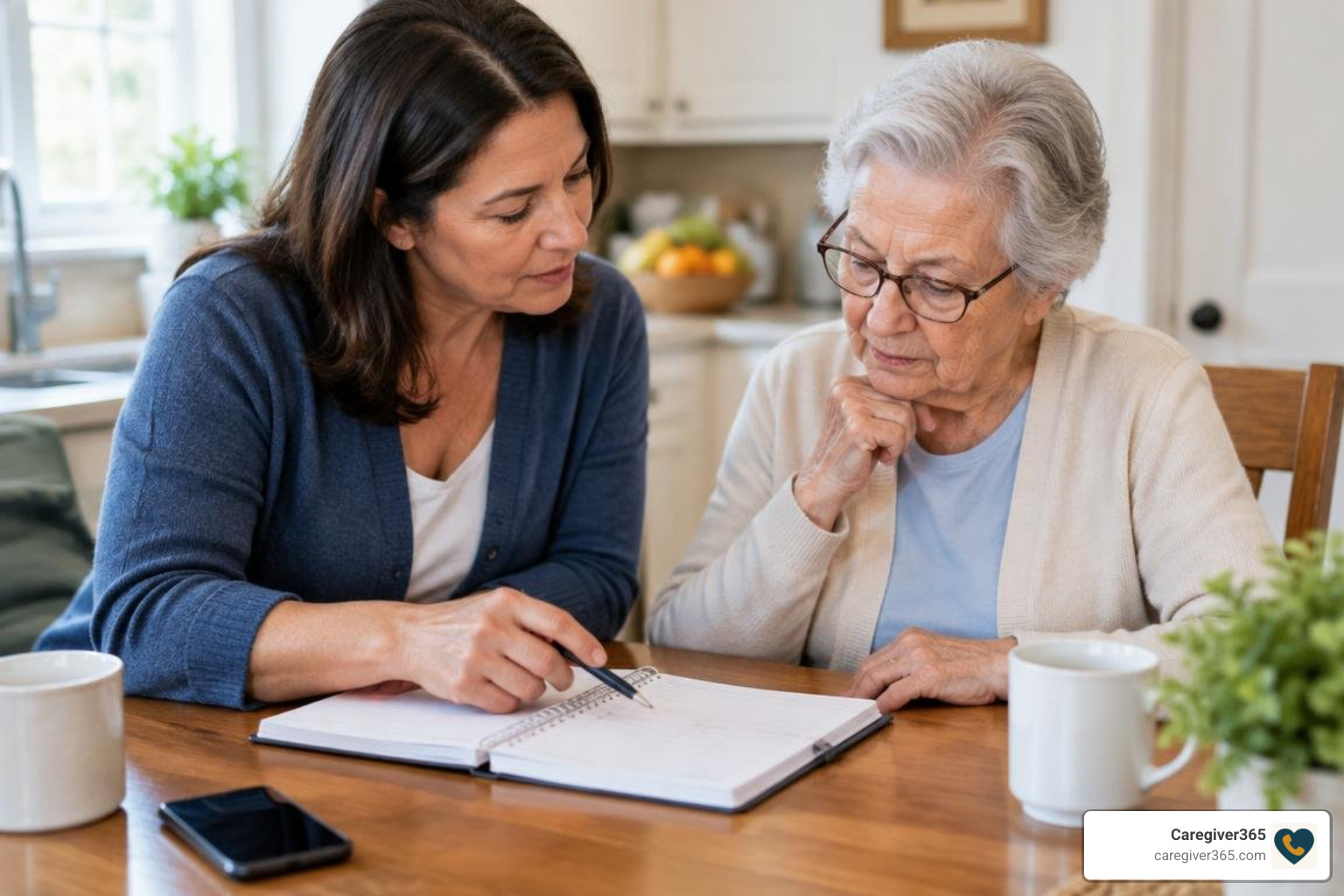
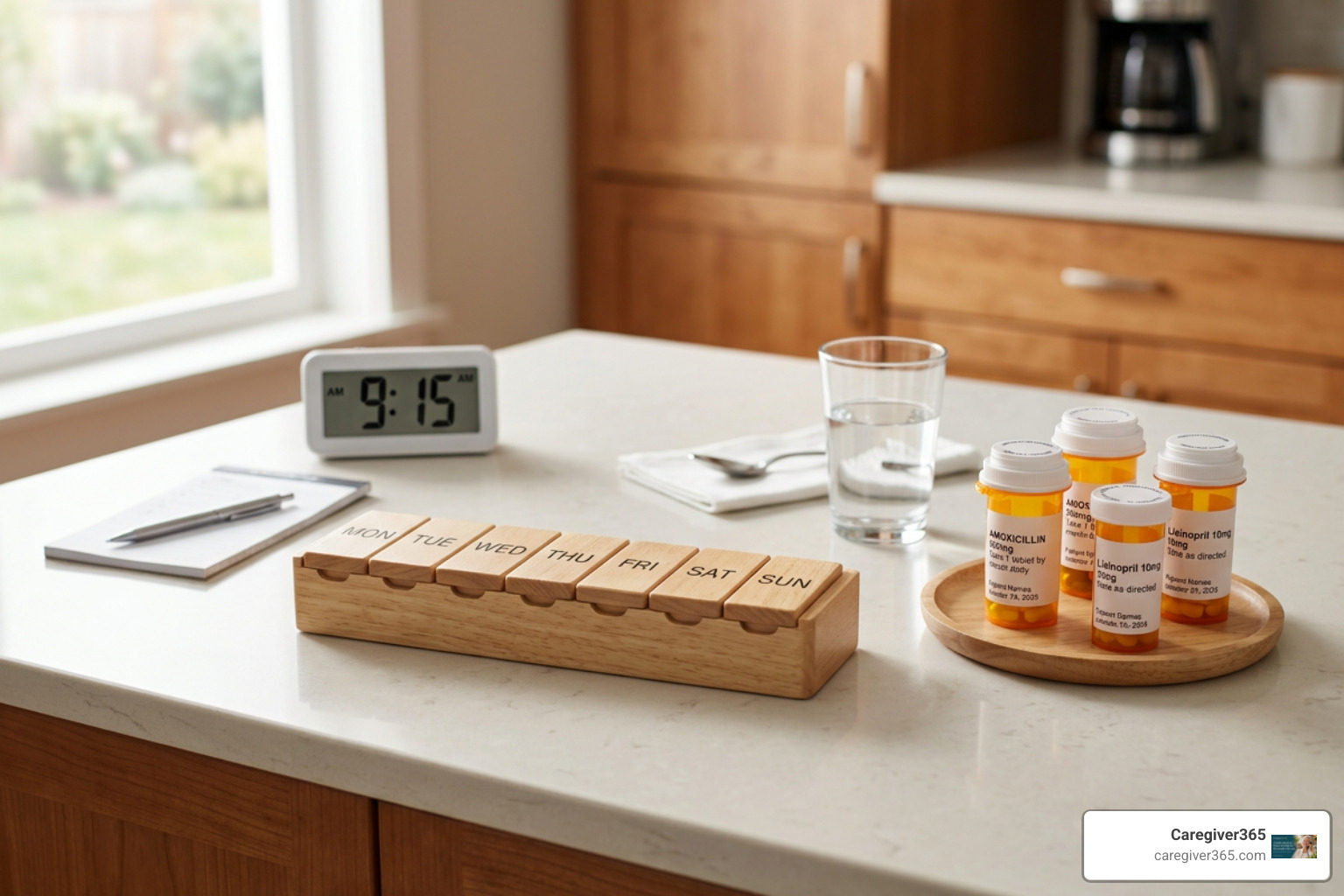
- Medication and Routine Awareness: While non-medical personnel do not administer drugs, they can observe whether pillboxes are organized, prescriptions are being refilled, and daily routines are being followed smoothly.
Non-Medical Senior Well Being Check vs. Automated Check-Ins
Both in-person visits and automated monitoring tools play critical roles in modern senior care, yet they serve distinctly different needs.
In-person visits provide rich, qualitative context. A visitor can detect subtle odors, notice a stack of unopened mail, or see that a pet’s food bowl has sat empty. However, scheduling visits every single day can be cost-prohibitive and intrusive for seniors who cherish their privacy.
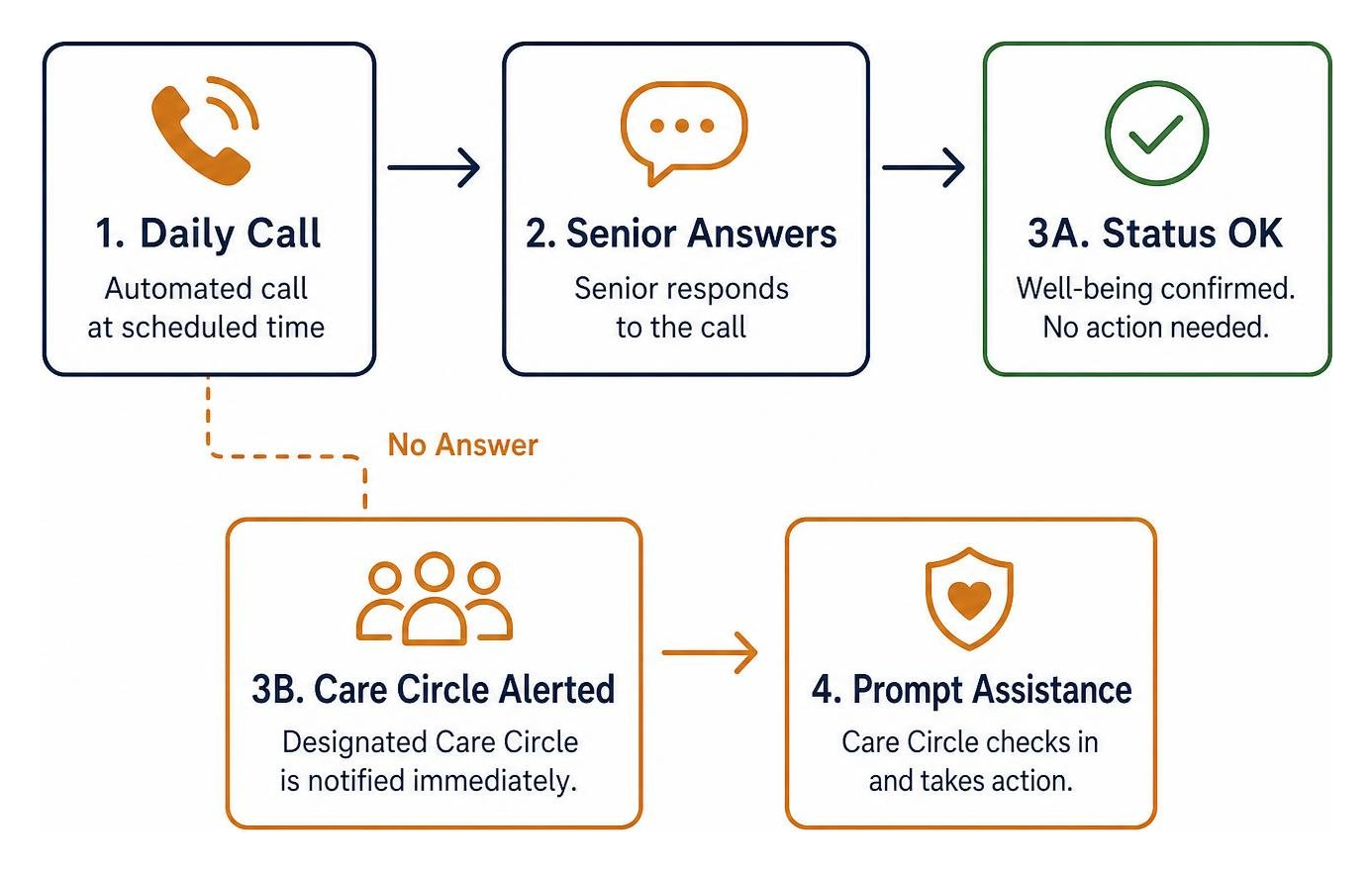
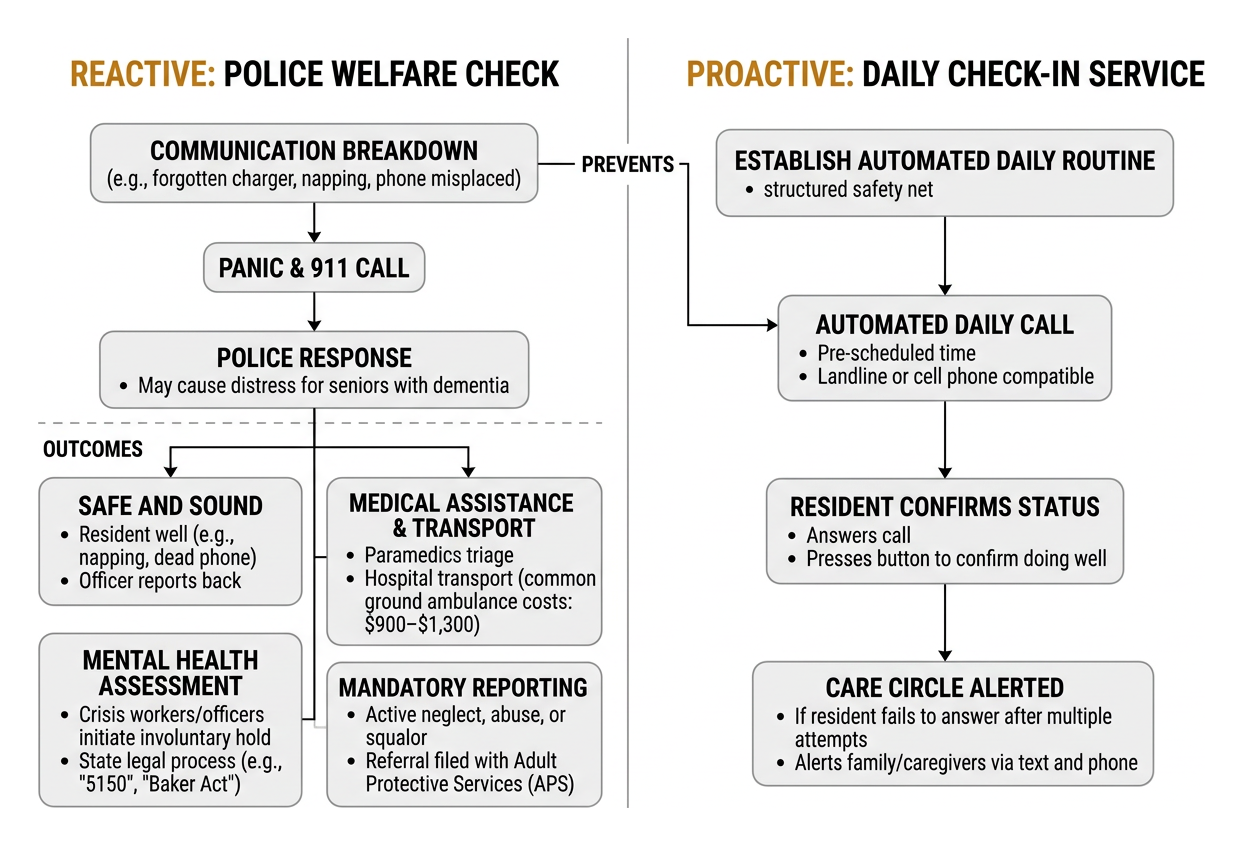
Automated daily check-ins bridge this gap by providing consistent safety verification. A quick, scheduled daily call verifies that a senior is awake, active, and responsive every morning, immediately alerting family members if something goes unanswered.
| Feature / Dimension | In-Person Well-Being Check | Daily Automated Check-In Call |
|---|---|---|
| Frequency | Weekly, bi-weekly, or monthly | Daily (or multiple times per day) |
| Primary Focus | Environmental safety, social contact, deep visual assessment | Immediate safety confirmation, routine verification |
| Intrusiveness | Requires scheduled home entry | Non-intrusive phone call (works on any landline or mobile phone) |
| Early Warning Scope | Physical decline, clutter, nutrition gaps, hygiene changes | Immediate response failure, missed morning routine |
| Emergency Escalation | Direct on-site intervention during the visit | Immediate alert notifications sent to a multi-member Care Circle |
| Relative Cost | Moderate to high (hourly rates) | Very low and budget-friendly |
Integrating Home Safety Observations
A critical advantage of an in-person visit is the ability to conduct direct home safety observations. Visitors can spot minor hazards that seniors often overlook after years of living in the same space:
- Fall Prevention: Identifying trailing electrical cords, slippery bath surfaces, missing handrails, or uneven floorboards.
- Pet Safety Observations: Ensuring companion animals are healthy, well-fed, and not creating tripping hazards underfoot.
- Basic Home Functionality: Confirming smoke detectors are working, heating and cooling settings are appropriate, and essential appliances operate safely.
Following the visit, documented observations are compiled into a clear report for the family, allowing minor issues to be resolved long before they lead to an emergency room visit.
In-Person Visits vs. Family Check-Ins
Relying solely on family members for routine check-ins can unintentionally strain relationships and lead to caregiver burnout. Long-distance caregivers often struggle to balance demanding work schedules with the emotional burden of remote monitoring.
Furthermore, aging parents often mask difficulties when speaking with their children, insisting that “everything is fine” to avoid feeling like a burden. An objective third party brings fresh eyes and trained observation skills to spot hazards that family members might miss or that loved ones might downplay.

Understanding how to balance personal visits, professional services, and automated tools is vital. When evaluating your family’s overall safety net, exploring check-in calls and emergency response options can help determine the right combination of daily monitoring and hands-on care.
When to Schedule a Routine Senior Well Being Check
While regular monitoring is ideal for any senior living independently, specific life transitions create an urgent need for an in-person assessment:
- Post-Hospital Discharge: Returning home after a hospital stay or rehabilitation requires verification that the home is set up for recovery and prescriptions are in order.
- Following a Recent Fall or Near-Miss: Even minor stumbles warrant a home safety review to eliminate physical hazards.
- Significant Medication Adjustments: Complex new dosing schedules increase the risk of confusion or missed doses.
- Observed Mobility Reduction: When walking, standing, or climbing stairs becomes noticeably more difficult.
- Noticeable Social Isolation: When a loved one stops attending community activities or withdraws from regular conversations.
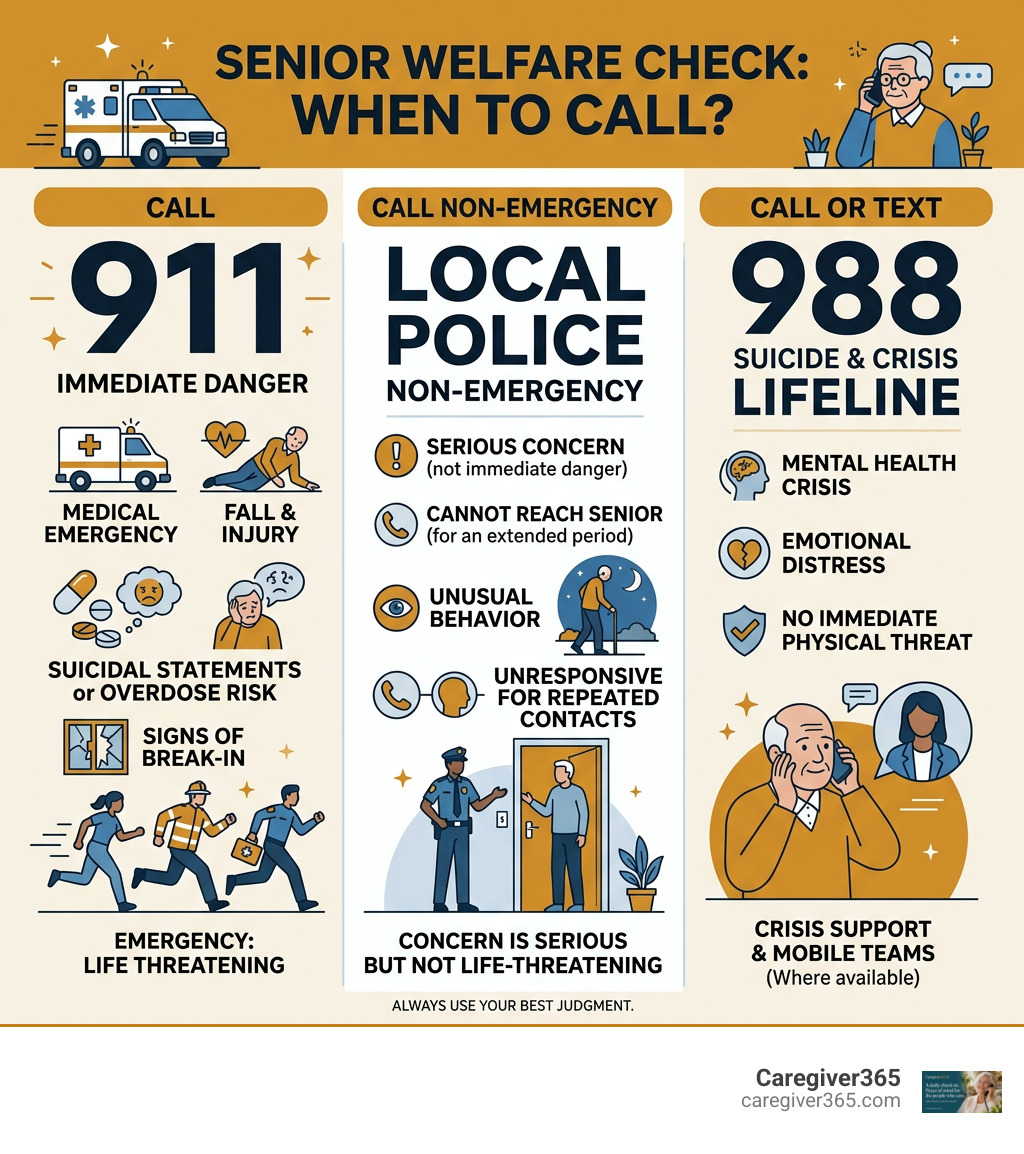
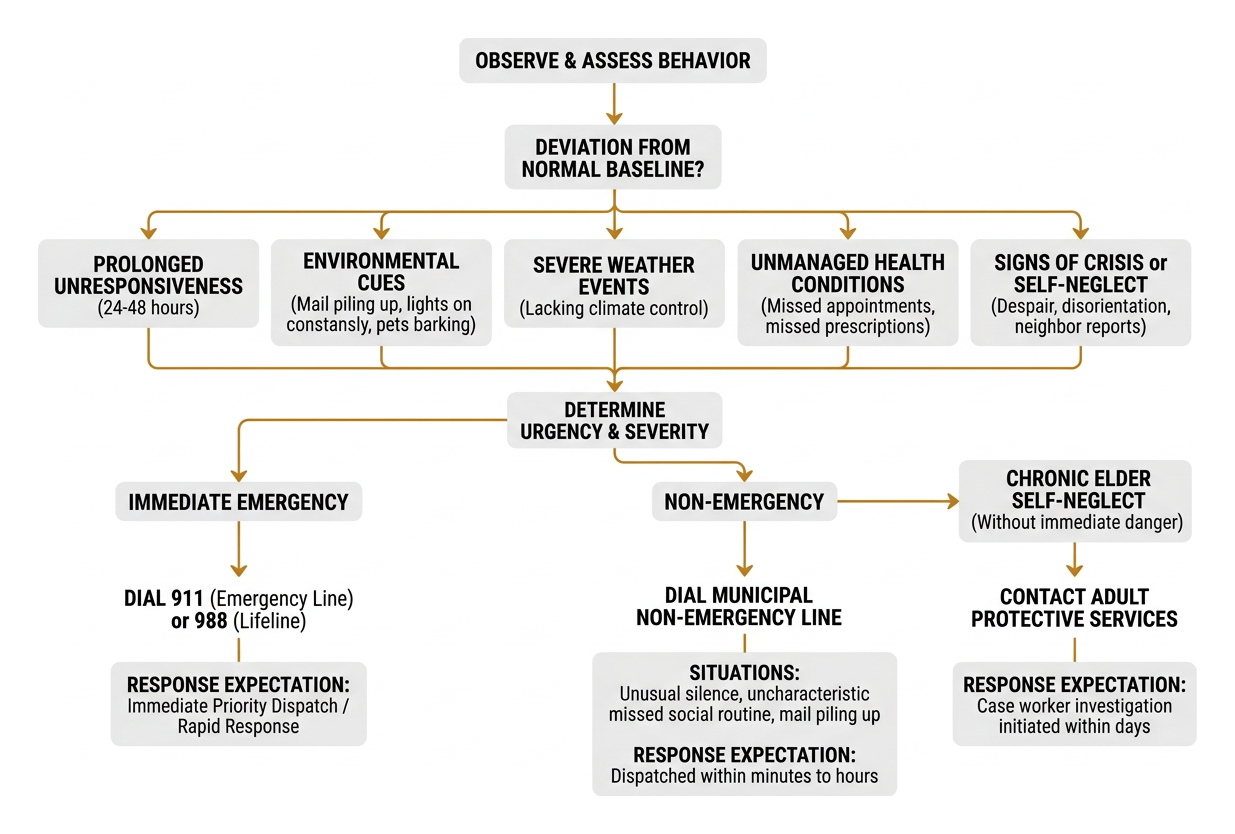
If you are unsure how to coordinate official community or local resources during an urgent situation, review this practical guide to requesting a senior welfare check online or by phone for step-by-step instructions.
Balancing In-Person Visits with Daily Automated Monitoring
The most effective, reliable approach to senior safety is a hybrid model. Combining periodic in-person wellness visits with automated daily phone check-ins creates an affordable, layered safety net that preserves independence while ensuring daily peace of mind.
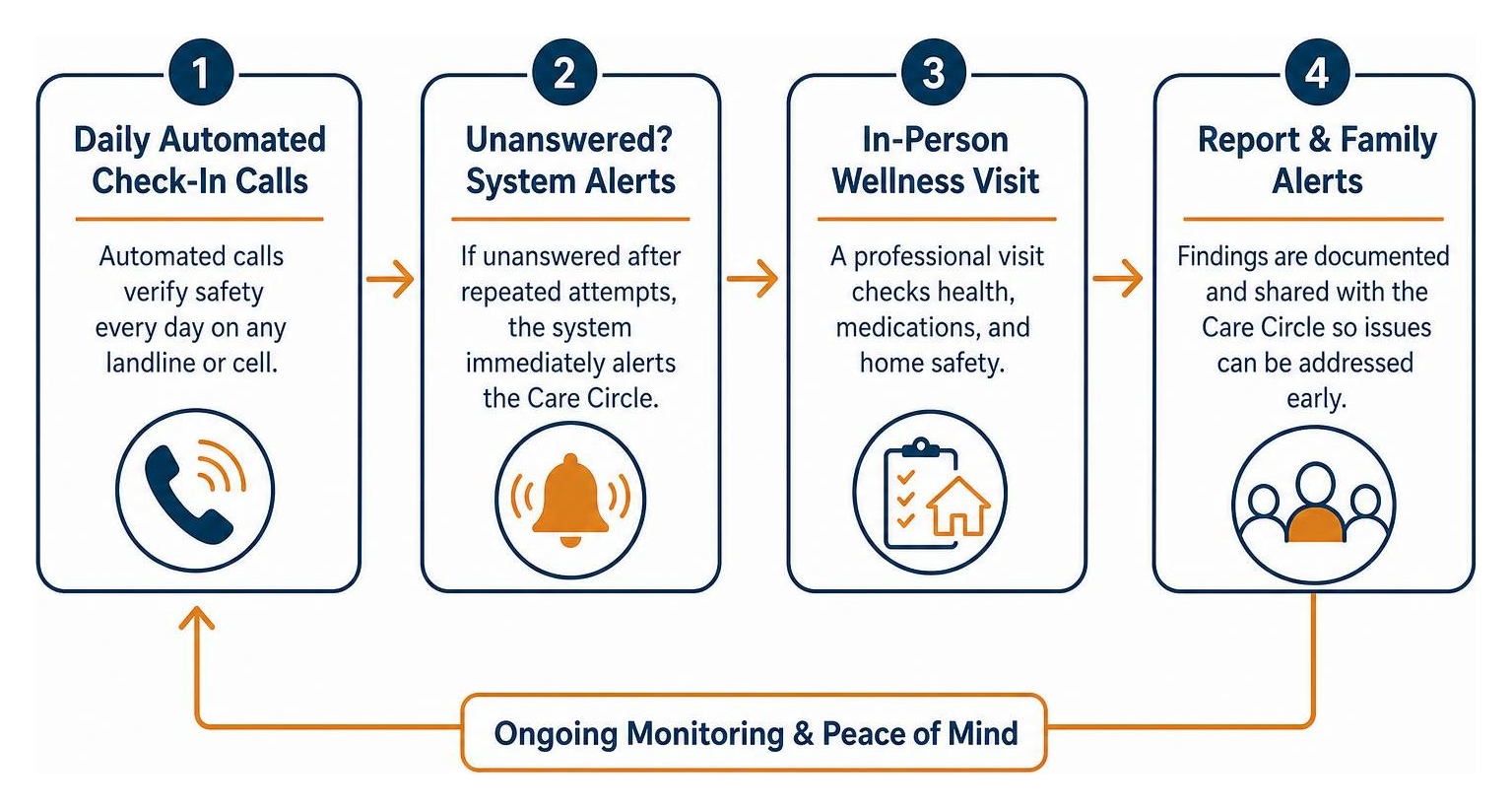
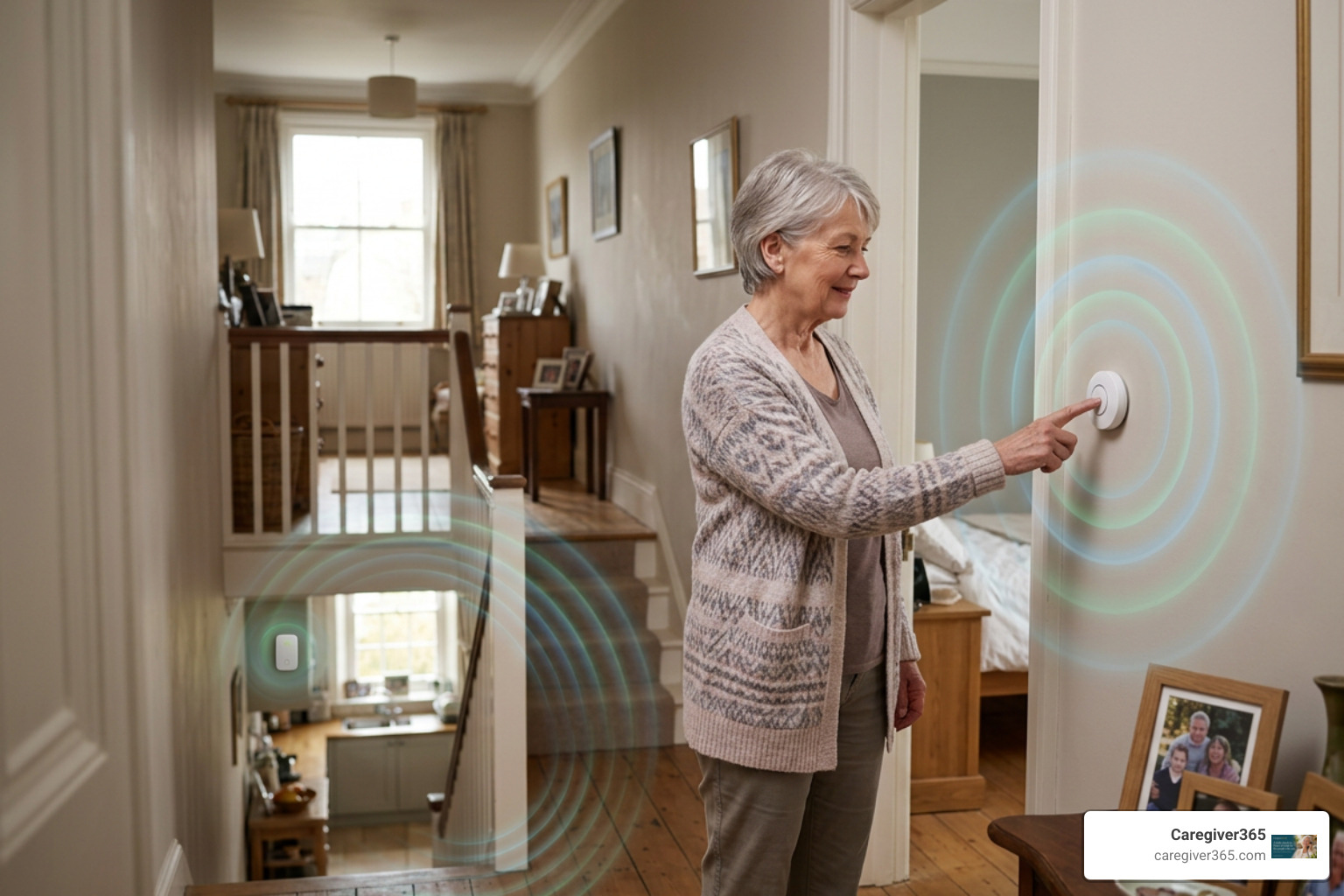
At Caregiver365, we provide automated daily check-in calls designed to verify safety every single day without requiring wearable pendants or complex new hardware. Because our system works seamlessly on any existing landline or cell phone, your loved one simply answers a friendly, automated call at a pre-set time.
If a call goes unanswered after repeated attempts, our system immediately alerts your designated Care Circle—notifying up to eight family members, neighbors, or caregivers via phone call, text, or email.
To learn more about how this safety net operates seamlessly in your daily routine, see how daily check-in calls work and explore the core mechanics of how it works. For additional planning tools and caregiver guides, browse our curated senior support resources.
Frequently Asked Questions About Senior Welfare Checks
How much do non-medical senior wellness visits cost?
Non-medical in-person wellness visits typically range from $30 to $75 per hour, depending on your geographic region and the level of assistance provided. Visits can be scheduled weekly, bi-weekly, or monthly. Families often use automated daily phone check-ins for day-to-day safety to keep overall costs manageable, reserving in-person visits for comprehensive periodic evaluations.
How quickly can an in-person wellness check be arranged?
Routine non-medical visits through local home care agencies or companion services generally require several days of advance notice for an initial intake. If there is an urgent concern about an individual’s immediate safety and family cannot reach them, local non-emergency dispatch or municipal services can perform an urgent welfare check within hours.
What happens if a safety hazard or medical concern is found?
When a visitor identifies an immediate medical emergency, standard protocols dictate calling 911 immediately. For non-emergency concerns—such as expired medication, tripping hazards, or minor home repairs—the visitor logs the findings in a post-visit summary report and directly contacts the primary family caregiver to coordinate necessary modifications.
Conclusion
Supporting an aging loved one’s desire to live independently requires a thoughtful combination of safety, companionship, and proactive communication. In-person visits provide an essential set of caring eyes to spot environmental risks, monitor cognitive wellness, and prevent accidents before they happen.
By pairing periodic home visits with automated daily check-ins, families gain total confidence that their loved ones are safe every single day. Explore our comprehensive senior check-in services today to establish an effortless, dependable safety routine for the people who matter most.