
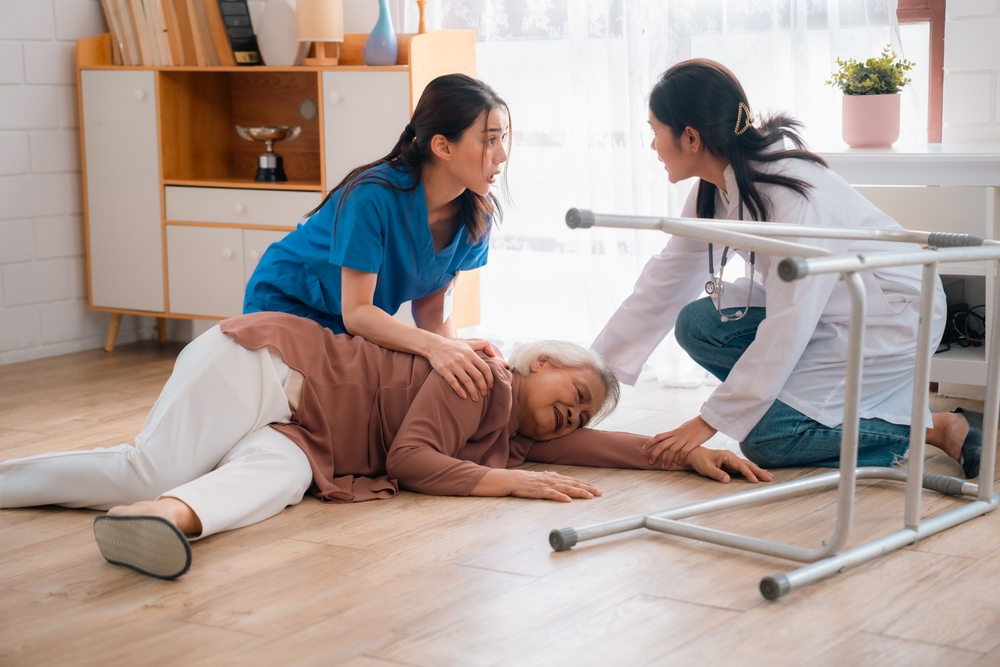
What Are the Most Common Fall-Related Injuries for Seniors?
Quick answer: The most common fall-related injuries among older adults include hip fractures, spinal injuries, wrist and arm fractures, and head injuries. Each of these can affect mobility, independence, and long-term health, which is why quick recognition and proper care matter. Caregiver365 helps families recognize these risks early and find the right support to keep loved ones safe.
A fall can happen in seconds, but the effects can last much longer. For older adults, getting injured after falling often means more than a few bruises. It can mean surgery, months of rehabilitation, or a permanent change in how independently they live.
If you’re caring for an aging parent or loved one, knowing what to watch for after a fall can make all the difference. Below, we’ll break down the most common fall-related injuries, what to look out for, and how Caregiver365 can help you keep your family safer.
4 Common Injuries After Falling Down
1. Why Are Hip Fractures So Serious for Older Adults?
Hip fractures are one of the most life-altering injuries that can result from a fall. They typically happen when someone lands directly on the side of the hip, and for seniors with weaker bones, even a minor fall can cause a break.
Recovering from a hip fracture usually involves surgery followed by weeks or months of physical therapy. Beyond the physical toll, hip fractures often lead to a real loss of independence. Many seniors need help with daily tasks they used to handle on their own, making the right support system essential.
2. How Can a Fall Damage the Spine?
Falls put a lot of force on the spine, and the resulting injuries can range from a sore back to something far more serious. Spinal injuries from falls may include fractures, herniated discs, or in rare cases, spinal cord damage that leads to paralysis.
If your loved one falls and complains of neck or back pain, numbness, or tingling, don’t try to move them. Call for emergency help right away. Spinal injuries need immediate medical evaluation, since early treatment can make a big difference in long-term outcomes.
3. Why Are Wrist and Arm Fractures So Common After a Fall?
When someone starts to fall, their instinct is to reach out and catch themselves. That natural reflex is a major reason wrist and arm fractures are among the most common injuries caused by falls.
These injuries might seem less severe than a hip or spinal injury, but don’t underestimate them. A broken wrist can make it hard to cook, get dressed, or even hold a cup of coffee. Recovery often requires a cast or splint, and more serious fractures may need surgery to heal properly.
4. What Head Injury Warning Signs Should You Watch for After a Fall?
Head injuries deserve extra attention, especially for seniors taking blood thinners. Even a fall that seems minor can cause internal bleeding that isn’t obvious right away. Watch for these warning signs after any fall involving the head:
- Confusion or memory loss
- Persistent headache
- Nausea or vomiting
- Drowsiness or difficulty staying awake
- Slurred speech or vision changes
If you notice any of these symptoms, seek medical attention immediately. When it comes to head injuries, it’s always better to be cautious.
How Can Families Help Prevent Fall-Related Injuries?
The good news is that many fall-related injuries are preventable with the right precautions. Here are a few steps families and caregivers can take:
- Remove tripping hazards like loose rugs and clutter
- Install grab bars in bathrooms and handrails on stairs
- Encourage regular balance and strength exercises
- Schedule routine vision and medication checkups, since certain medications can affect balance
- Consider a personal caregiver for extra support with daily activities
This is exactly where Caregiver365 comes in. Our team connects families with trusted in-home care services designed to reduce fall risk and support recovery if an injury does happen. From mobility assistance to daily check-ins, we help seniors stay safe at home while giving families real peace of mind.
Protecting Your Loved One Starts Today
Fall-related injuries can be scary, but they don’t have to catch your family off guard. Knowing the signs of hip fractures, spinal injuries, wrist and arm fractures, and head injuries helps you act quickly when it matters most.
If you want extra support, Caregiver365 is here to help. Check out our recommended caregiving services today and give your loved ones the safety net they deserve.