
Health and Lifestyle Measures for Fall Risk Reduction
Effective home safety and fall prevention for seniors combines environmental hazard removal with personal physical wellness. Key measures include eliminating tripping hazards like throw rugs, installing secure bathroom grab bars and non-slip mats, improving stairway and hallway lighting, and managing physical mobility through routine medication reviews, vision checks, and strength and balance exercises. Combining smart home modifications with proactive daily habits provides the most reliable protection against falls.
1. Medication Reviews and Managing Side Effects
Many prescription drugs and over-the-counter remedies can cause dizziness, drowsiness, or sudden lightheadedness. Sedatives, sleep aids, antihistamines, blood pressure prescriptions, and certain antidepressants can directly interfere with balance and coordination.
Schedule an annual medication review with a primary care doctor or pharmacist. Ask whether any medications can be reduced, switched, or eliminated. Additionally, be aware of postural hypotension—a sudden drop in blood pressure when standing up from a seated or lying position. To manage this:
- Pause and sit on the edge of the bed for 30 to 60 seconds before standing up.
- Count to five before walking to allow blood pressure to normalize.
- Stay properly hydrated throughout the day, as mild dehydration worsens dizziness.
2. Routine Vision and Hearing Checks
Changes in sensory perception can impair depth perception and spatial awareness:
- Vision: Schedule an annual eye exam. Conditions like cataracts, glaucoma, or macular degeneration develop gradually. Keep eyeglasses clean and readily accessible. Be cautious with bifocal or progressive lenses when navigating stairs, as they can distort step edges.
- Hearing: Inner-ear changes alter equilibrium. Routine hearing exams help detect balance disorders early. Wear prescribed hearing aids consistently to stay alert to environmental cues.
3. Balance, Flexibility, and Strength Training
Physical activity maintains muscle mass, strengthens joints, and keeps reflexes sharp. According to the CDC community fall intervention guidelines, structured balance and strength programs can reduce fall rates by up to 30% to 40%.
- Tai Chi: This gentle martial art emphasizes slow, deliberate weight-shifting and trunk rotation, improving core balance and body awareness.
- Otago Exercise Program & LiFE: Home-based strength routines targeting lower-body muscles (such as knee flexors, hip abductors, and ankle stabilizers) provide measurable stability gains.
- Chair Rises: Practice standing up from a sturdy armchair without using hands, repeating 5 to 10 times daily to build quadriceps strength.

4. Sensible, Supportive Footwear
Walking around in socks, floppy slippers, or smooth-soled shoes is a major slip hazard.
- Wear flat, sturdy shoes with non-skid rubber soles both indoors and outdoors.
- Choose footwear with firm heel collars and secure fastenings (such as Velcro or laces).
- Avoid walking barefoot on slick hardwood, tile, or linoleum surfaces. For everyday guidance, explore our library of senior safety resources.
Home Safety Elderly Fall Prevention: Room-by-Room Guide
Over half of all falls occur within the home. A thorough room-by-room walkthrough helps pinpoint and fix hidden hazards before accidents happen, following the recommendations found in the National Institute on Aging home safety checklist.

Bathroom Modifications for Home Safety Elderly Fall Prevention
With slippery tile, hard fixtures, and frequent water spills, the bathroom accounts for roughly 80 percent of household falls. Implementing proper home safety elderly fall prevention starts right here. Following sound Mayo Clinic fall prevention advice, make these updates:
- Professional Grab Bars: Mount heavy-duty grab bars (supporting up to 250–500 lbs) anchored directly into wall studs. Place one vertically at the shower entryway, one horizontally along the side wall at waist height (33–36 inches from the floor), and one beside the toilet. Never rely on suction-cup bars, towel racks, or toilet paper holders for support.
- Shower Chairs and Transfer Benches: Bathing while seated reduces fatigue and eliminates the need to balance on slick tub basins. Pair the chair with an adjustable handheld showerhead so bathing does not require standing or twisting.
- Non-Slip Surfaces: Place high-traction rubber suction mats or non-slip adhesive strips inside the tub or shower stall. Place rubber-backed, non-skid bath rugs outside the tub to step onto when exiting.
- Raised Toilet Seats: A raised toilet seat (with integrated side arms) reduces the physical effort required to sit down and stand back up.
- Water Temperature Regulators: Set the home water heater to 120°F (49°C) or lower to prevent scalding, which can cause someone to jump and lose balance.
Bedroom and Living Area Hazard Elimination
Bedrooms and living rooms should provide effortless, unobstructed movement.
- Bed Height and Mattress Firmness: The bed should be at a height where the senior’s feet rest flat on the floor while seated on the edge, with knees bent at a 90-degree angle (typically 20 to 23 inches from the floor). If needed, install an under-mattress bed safety handle for stability when rising.
- Bedside Accessibility: Keep a sturdy bedside table holding a reachable reading lamp, a charged phone, eyeglasses, and a backup flashlight in case of power loss.
- Clear Pathways: Maintain a minimum 36-inch-wide path throughout all rooms. Remove low coffee tables, plant stands, magazine racks, and footstools from high-traffic routes.
- Eliminate Throw Rugs: Decorative scatter rugs are common tripping hazards. Remove them entirely, or secure edges flush to the floor using heavy-duty double-sided rug tape.
- Cord Management: Coil electrical, lamp, and television cables neatly against baseboards using cord clips or channels. Never route cords beneath carpets or across open walkways.
- Ergonomic Storage: Reorganize kitchen and living room cabinets so everyday dishes, canned goods, and essentials sit between waist and shoulder height. Use a lightweight reach stick (grabber tool) instead of climbing on step stools or chairs to reach high shelves.
- Supportive Seating: Choose firm armchairs with stable frames and high seat cushions that allow easy sitting and standing. Avoid deep, overly soft sofas that are difficult to rise from.
Stairways, Hallways, and Exterior Walkways
Stairs and transitional spaces carry the greatest risk for severe, high-impact fall injuries.
- Dual Continuous Handrails: Install secure handrails on both sides of every staircase, running the entire length of the stairs from top to bottom. Handrails should have a comfortable, rounded grip that allows the hand to wrap completely around the rail.
- Non-Slip Treads and High-Contrast Markings: Add non-skid rubber or abrasive adhesive treads to bare wood steps. Apply a strip of high-contrast, brightly colored tape along the top edge of each step tread to improve depth perception in varying light.
- Two-Way Light Switches and Motion Sensors: Ensure light switches are located at both the top and bottom of every staircase. Install illuminated rocker switches or plug-in motion-activated nightlights along hallways so pathways light up automatically.
- Outdoor Steps and Walkway Repairs: Inspect outdoor walkways for cracked cement, loose flagstones, or uneven brickwork. Keep steps clear of leaves, wet debris, and moss. In winter, treat outdoor paths and ramps promptly with sand or ice-melt compounds.
Daily Check-Ins and Post-Fall Action Plans
Even in a well-modified home, unexpected accidents can happen. Having a reliable communication safety net ensures that an older adult never remains stranded without assistance.
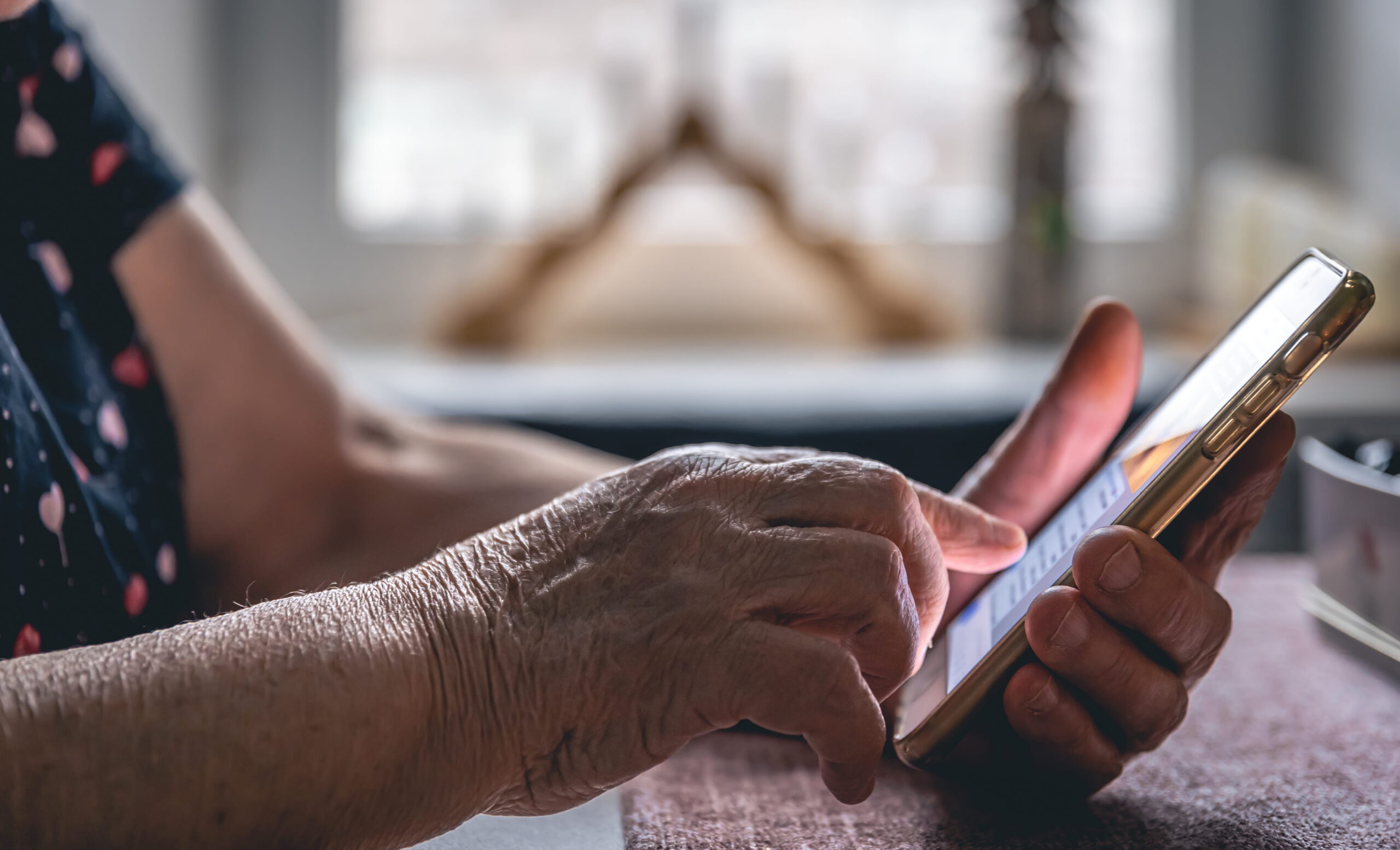
Emergency Check-In Support
When comparing senior check-in calls to traditional wearable devices, many families discover that wearable buttons are often left on the nightstand or removed before showering. Automated daily phone calls bridge this gap by establishing a regular daily touchpoint.
Learning how daily check-in calls work gives families peace of mind. The service calls the senior’s landline or cell phone at a pre-scheduled time each day. When the call is answered, well-being is confirmed. If the phone goes unanswered after repeated automated attempts, the system alerts a customized Care Circle of up to eight family members, neighbors, and caregivers.
What to Do If a Fall Occurs
Knowing how to respond calmly can prevent secondary injuries:
- Pause and Breathe: Do not try to jump up immediately. Rest quietly on the floor for a moment, take deep breaths, and assess your body for pain or signs of injury.
- Check for Injury: Gently move hands, feet, arms, and legs. If severe pain, broken bones, or dizziness is present, stay still and call for help immediately.
- Roll and Crawl: If uninjured, slowly roll onto your side and push up onto hands and knees. Crawl toward the nearest sturdy piece of furniture (such as a heavy armchair or the bed).
- Ascend Safely: Place both hands firmly on the seat of the chair. Bring one foot forward until it is flat on the floor, keeping the other knee bent. Push up through the legs while leaning onto the chair, rotate slowly, and sit down. Rest and notify a loved one or medical provider about the incident.
Essential Low-Cost Actions for Home Safety Elderly Fall Prevention
Making a home safer does not require an expensive remodel. Many effective modifications cost very little or can be completed in a single afternoon.
| Modification Area | Quick DIY / Low-Cost Solutions | Professional / Higher-Investment Upgrades |
|---|---|---|
| Pathways & Floors | Remove throw rugs; apply double-sided rug tape ($15); organize electrical cords ($10). | Replace worn, uneven wall-to-wall carpeting; install uniform hardwood or low-pile flooring. |
| Lighting | Plug in automatic motion-sensor nightlights ($20); install 800+ lumen LED bulbs ($15). | Hardwire two-way illuminated wall switches at tops and bottoms of stairs; add recessed hallway sconces. |
| Bathroom Safety | Place suction rubber bath mats in tubs ($15); install a clamp-on raised toilet seat ($35). | Stud-mount heavy-duty stainless steel grab bars ($150–$350 installed); build zero-threshold roll-in shower. |
| Kitchen & Storage | Move daily cups, dishes, and canned goods to waist-height shelves ($0); use a reacher tool ($15). | Install slide-out base cabinet organizers and motorized adjustable-height shelving units. |
| Stairs & Steps | Apply adhesive high-traction stair strips ($25); wrap contrasting tape on step edges ($10). | Install a full second continuous wooden or metal handrail ($200–$400); install a motorized stair lift. |
| Emergency Support | Post large-print emergency numbers by phones ($0); schedule automated daily check-in calls. | Wearable mobile fall-detection pendants and integrated smart-home safety sensor networks. |
For personalized guidance, consider booking an home assessment with a licensed Occupational Therapist (OT). Local assistance, volunteer repair services, and home modification grants are often available through your local Area Agency on Aging (AAA).
Frequently Asked Questions About Senior Fall Prevention
What is the single biggest fall hazard in the home?
The bathroom is the most dangerous area in the house. Slick tile floors, smooth porcelain tubs, and moisture combine to create a high slip risk. Getting in and out of the tub or sitting down on a low toilet requires sudden balance shifts. Installing wall-anchored grab bars, non-slip mats, and a shower chair addresses these hazards directly.
How can family members help a senior who resists home modifications?
Resistance often stems from a fear of losing independence or a concern that safety equipment makes the home look like a hospital.
- Focus on Independence: Frame modifications as tools to help them remain in their home comfortably for years to come.
- Start Small: Begin with subtle, unobtrusive changes like removing clutter, adding bright nightlights, or giving comfortable non-skid slippers as a practical gift.
- Involve Professionals: Seniors often accept recommendations more readily from a trusted doctor, physical therapist, or occupational therapist during a routine checkup.
What should an older adult do immediately after falling?
Remain calm and stay still for a few moments to catch your breath and check for sharp pain, sprains, or broken bones. If unhurt, slowly roll onto your stomach, get onto hands and knees, and crawl to a sturdy chair or bed. Place your hands on the seat, bring one foot flat onto the floor, and use your leg muscles to push up while turning to sit down on the chair. If you are hurt or cannot get up, use a phone or alert system to call for help immediately.
Conclusion
Fall prevention is about preserving your loved one’s freedom, comfort, and peace of mind. By systematically clearing walking paths, upgrading lighting, securing bathrooms, and staying physically active, you create an environment where older adults can age in place safely.
Pairing environmental safety with a dependable communication routine ensures that help is always within reach. Take the time to regularly reassess the home every six months or after any change in health or medication. Ready to explore supportive solutions for your family? Take a moment to compare safety solutions and choose the right safety net for your loved ones today.