
Identifying Major Fall Risks and In-Home Hazards
Comprehensive senior safety relies on four core pillars: eliminating household physical hazards with targeted home modifications (such as grab bars and non-slip flooring), upgrading pathway lighting, managing daily medications diligently, and establishing proactive daily check-in systems. Implementing these practical safeguards allows older adults to preserve their physical independence while effectively preventing domestic accidents.
Falls are the leading cause of fatal and non-fatal injuries among older adults, accounting for 85% of all injury-related hospitalizations in people aged 65 and older. While many view accidental falls as an unavoidable part of aging, they almost always stem from a predictable collision between physical vulnerability and preventable household hazards.
When gait instability, muscle weakness, and slowed reaction times meet everyday obstacles—like slick hardwood floors or curled carpet edges—the risk of a serious fall multiplies dramatically.
Environmental Hazards and Room-by-Room Risks
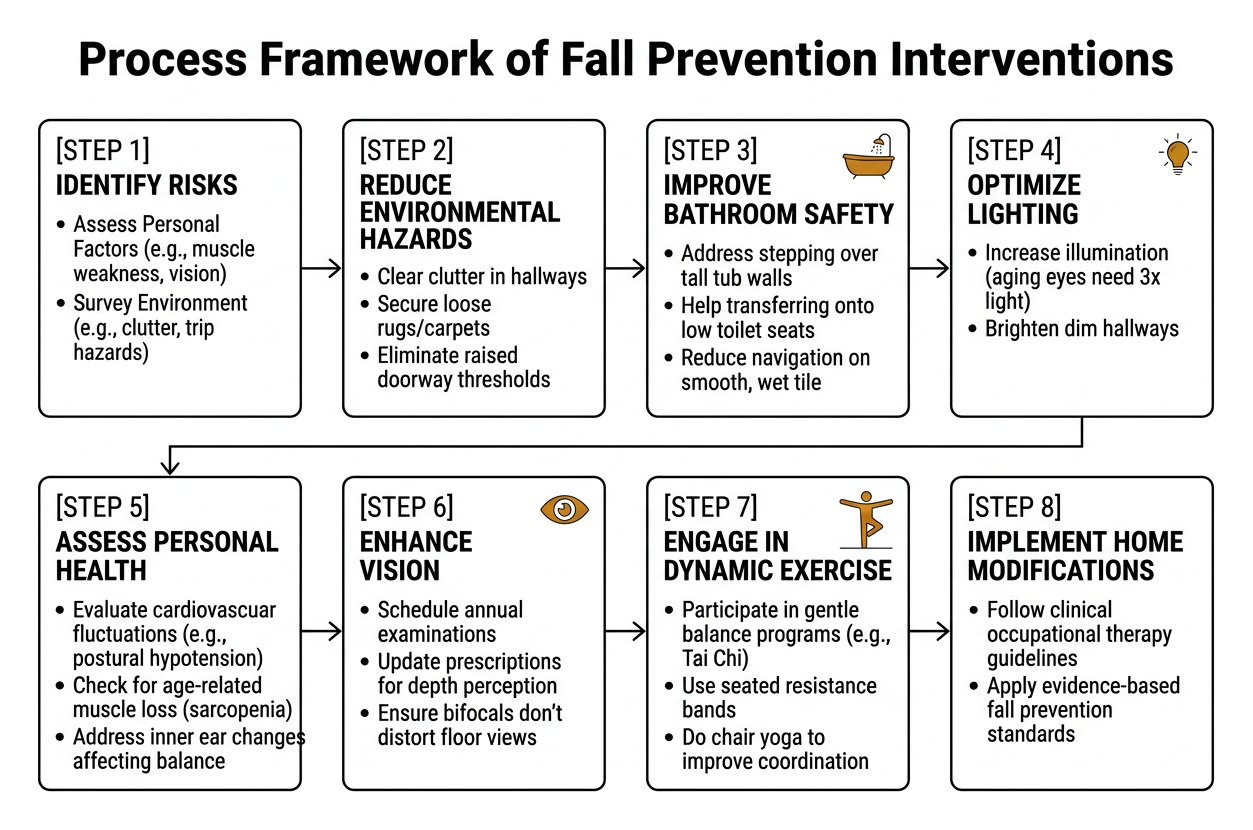
Most living spaces are designed for young, agile bodies. As mobility naturally changes, everyday design choices become physical obstacles. Loose throw rugs, slippery floor polishes, clutter in high-traffic hallways, and raised doorway thresholds are common contributors to domestic trips and slips.
The bathroom is the single most dangerous room in any home. Annually, over 234,000 older adults seek emergency care for injuries sustained in the bathroom. Stepping over tall tub walls, transferring onto low toilet seats, and navigating smooth, wet tile without support turn routine hygiene into a hazard.
Following evidence-based fall prevention standards allows families to identify overlooked environmental friction points—such as dim hallways and top-heavy side tables—and systematically eliminate them before an incident occurs.
Personal Health Factors, Vision, and Mobility
Environmental hazards represent only half of the equation; internal physiological factors are equally significant. Age-related muscle loss (sarcopenia) reduces joint stability, while inner ear changes affect balance. Cardiovascular fluctuations—such as postural hypotension, where blood pressure drops abruptly when moving from lying to standing—can trigger dizziness and faintness.
Sensory decline also plays a major role:
- Visual acuity: Aging eyes require three times more light to see clearly than younger eyes. Reduced depth perception makes judging step heights difficult.
- Annual examinations: Regular eye exams and updated prescriptions ensure bifocals or progressive lenses do not distort peripheral views of floor obstacles.
- Dynamic exercise: Gentle balance programs like Tai Chi, seated resistance band training, and chair yoga improve neuromuscular coordination, helping seniors recover their footing if they trip.
Essential Senior Safety Modifications for the Home
Comprehensive home modifications can reduce fall risk by up to 70%. When environmental adaptations follow clinical occupational therapy guidelines, aging in place becomes practical, safe, and sustainable.
| Home Modification | Est. Installation Cost | Fall Risk Impact | Primary Area Protected |
|---|---|---|---|
| Professional Grab Bars | $130 – $500 | Very High (up to 70%) | Bath, Shower, Toilet |
| Motion Night Lighting (300+ lux) | $15 – $50 | High | Hallways, Stairs, Bedroom |
| Non-Slip Mats & Anti-Slip Flooring | $15 – $40 | High | Bathroom, Kitchen, Entryway |
| Dual Staircase Handrails | $100 – $350 | Very High | Interior/Exterior Steps |
| Raised Toilet Seat & Frame | $40 – $120 | Moderate | Bathroom |
| Threshold Ramps / Beveled Edges | $30 – $90 | Moderate | Doorways, Transitions |
Bathroom Retrofitting and High-Risk Zones
Because bathroom slips account for significant trauma, securing wet surfaces must be the top priority. Suction-cup rails can fail under dynamic body weight; wall-mounted grab bars anchored directly into wall studs are essential.
When investing in professional bathroom accessibility modifications, consider these core upgrades:
- Strategic Grab Bar Heights: Mount textured (peened) grab bars between 33 and 36 inches above the floor inside showers, alongside bathtubs, and beside toilets to support safe transfers.
- Slip-Resistant Treatments: Apply non-slip coatings or mats with a static coefficient of friction rating of at least 0.6 COF to tub and shower basins.
- Comfort-Height Fixtures: Install elevated toilet seats (17 to 19 inches high) or add sturdy safety frames to reduce hip strain when standing.
- Walk-In Conversions: Replace high-walled tubs with low-threshold walk-in showers and handheld showerheads to allow seated, comfortable washing.
Stairway, Flooring, and Nighttime Lighting Upgrades
Staircases and nighttime paths between the bed and the bathroom require uninterrupted visibility and solid footing.
- Dual Handrails: Ensure continuous, secure handrails run along both sides of every staircase, extending past the top and bottom steps.
- Anti-Slip Stair Treads: Affix textured rubber treads or high-contrast non-skid strips to hard surfaces, helping seniors with low vision identify step edges easily.
- High-Output Lighting: Standard consumer nightlights typically emit only 30 to 80 lux. Upgrading to motion-activated fixtures delivering 300 to 500 lux clearly illuminates floor paths without creating blinding glare.
- Transition Strips: Eliminate loose area rugs and replace uneven doorway thresholds with beveled transition plates that accommodate walkers and shuffling feet.
Daily Health, Medication, and Environmental Management
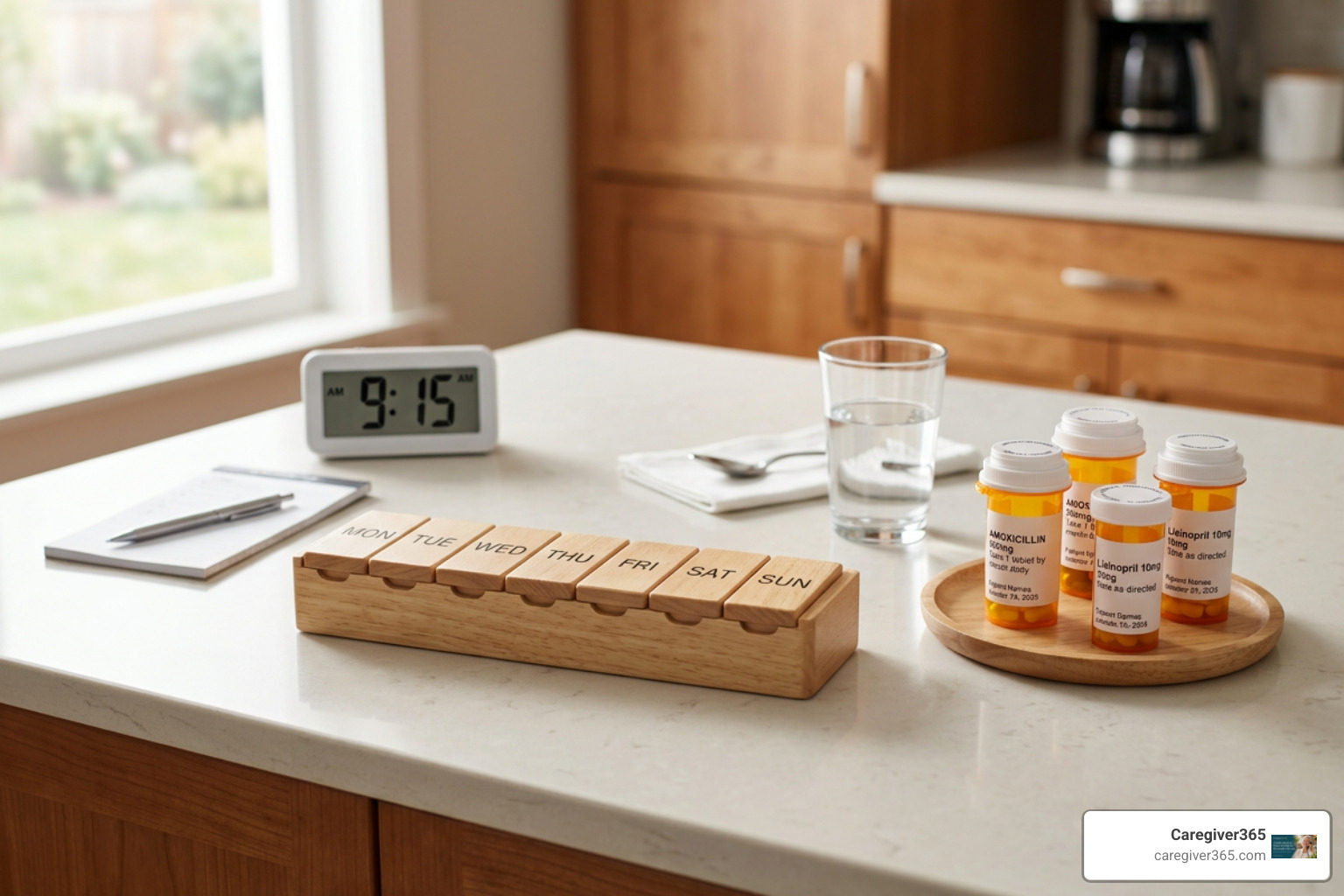
Maintaining physical independence requires both a secure physical layout and consistent daily wellness habits. Environmental safety works best when paired with steady daily routines.
Medication Adherence and Management Protocols
Medication mismanagement is a major hidden driver of senior accidents. In fact, failing to take medications properly accounts for 25% of all hospital admissions among adults 65 and older.
Many common prescriptions—such as blood pressure stabilizers, sedatives, antidepressants, and diuretics—can cause drowsiness, slowed reflexes, or sudden lightheadedness.
To prevent errors and adverse interactions:
- Use clearly marked 7-day or 14-day compartment pill organizers divided by morning, noon, and evening doses.
- Keep all medications in their original labeled containers or clearly mark transferred prescriptions to prevent mix-ups.
- Request an annual comprehensive medication review with a primary care physician or pharmacist to deprescribe redundant drugs.
- Explore helpful senior wellness resources to establish daily adherence tracking and structured health habits.
Fire, Heating, and Carbon Monoxide Preparedness
Sensory changes can make it harder to detect smoke, burning food, or gas leaks. As a result, home fire safety requires active, redundant safeguards:
- Smoke Alarm Coverage: Install interconnected smoke alarms inside every bedroom, directly outside all sleeping zones, and on every level of the home. Test them monthly.
- Carbon Monoxide Detectors: Place CO monitors near central heating equipment and outside sleeping quarters to detect invisible fumes from furnaces or space heaters.
- Space Heater Precautions: Keep portable heaters at least three feet away from curtains, bedding, and furniture. Choose models with automatic shut-off switches if tipped over.
- Kitchen Awareness: Install auto-shutoff safety devices on stovetops, and keep an easy-to-use fire blanket or kitchen-rated extinguisher within reach of the cooking area.
Proactive Check-In and Safety Communication Systems
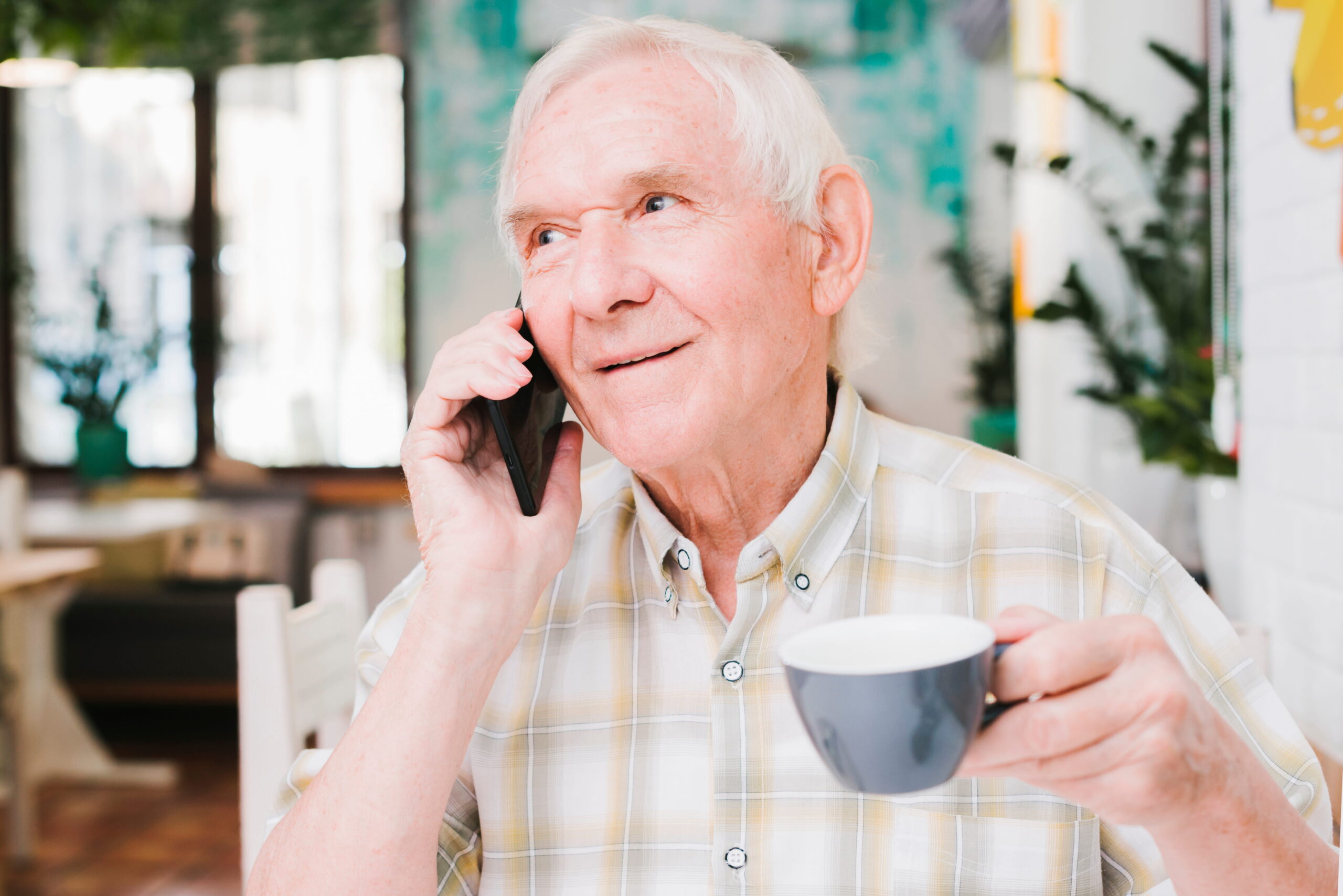
Even in a well-modified home, emergencies can happen. Getting help quickly after a fall is critical: medical research shows that rapid assistance reduces hospitalization risk by 26% and the risk of death by over 80%.
The primary challenge in emergency response is the “long lie”—when an individual falls, cannot reach a phone, and remains on the floor for hours. Proactive communication channels ensure someone checks in every single day.
Technology Solutions for Senior Safety at Home
Many families consider wearable alert pendants, yet studies show seniors frequently take them off before bed, leave them on the nightstand, or forget to recharge them.
Automated daily check-in calls provide a practical, non-intrusive safety net. When evaluating daily check-in calls versus medical alert buttons, automated calls offer a zero-friction layer of daily verification. They work reliably on any existing landline or mobile phone without requiring wearable gadgets or technical setup.
Understanding how automated daily check-in calls work gives families confidence: an automated call is placed to the senior at a scheduled time each day. When the senior answers and presses a button to confirm they are well, the system logs the successful check-in. If the call goes unanswered after multiple attempts, the system automatically alerts a designated “Care Circle” of up to eight family members, neighbors, or caregivers to follow up immediately.
Creating a Comprehensive Senior Safety Emergency Plan
Technology works best alongside a clear emergency action plan:
- Designate a Response Hierarchy: Establish which family member, nearby neighbor, or building manager acts as first, second, and third contact if a check-in is missed.
- Secure Home Access: Install an exterior secure lockbox with a house key so emergency personnel or family members can enter without damaging doors.
- Consolidate Emergency Information: Post a clear contact sheet on the refrigerator listing primary physicians, insurance details, baseline medical history, and emergency contacts.
- Choose Compatible Tools: Review our senior safety equipment buying guide to select devices that fit your loved one’s comfort level.
- Set Up Redundant Routines: Review how automated check-in systems work to combine automated verification calls with traditional medical alert buttons for layered protection.
Assessing Long-Term Needs: Mobility, Driving, and Care Transitions
Supporting independence at home also means recognizing when safety requirements evolve. Periodic, respectful assessments help identify when extra assistance is needed:
- Driving Assessments: Watch for delayed braking reflexes, unexplained vehicle scuffs, near-misses, or getting turned around on familiar routes. Transitioning to local transport services or family rides preserves physical safety while maintaining social connection.
- Mobility Changes: Noticeable changes in gait, frequent reliance on walls or furniture for support, or reluctance to leave home often signal shifting physical needs.
- Activities of Daily Living (ADLs): Trouble managing meal preparation, personal hygiene, or household housekeeping indicates that in-home care aides or community support services may be beneficial.
Open, collaborative family discussions keep these transitions supportive rather than confrontational, allowing older adults to stay in control of their care decisions.
Frequently Asked Questions About In-Home Safety
What are the most common causes of senior falls at home?
The most frequent causes include environmental obstacles (such as loose throw rugs, wet tile, poor lighting, and floor clutter), balance and gait impairments, vision changes, and medication side effects that cause sudden dizziness or low blood pressure.
How can families effectively prevent medication errors in older adults?
Use structured pill organizers with separate daily compartments, set up automated reminder calls or phone alarms, and maintain a centralized list of all active medications. Scheduling an annual review with a pharmacist also helps identify and resolve negative drug interactions.
How do you assess when an aging parent needs additional home safety support?
Key signs include unexplained bruising from unreported trips, a decline in personal grooming, unopened mail, missed medication doses, weight changes from poor nutrition, and hesitation when navigating routine stairs or hallways.
Conclusion
Helping an aging parent remain safe and independent at home does not require complicated surveillance or drastic lifestyle changes. By systematically addressing bathroom hazards, improving indoor lighting, managing medications, and establishing dependable daily check-in habits, you can create a secure living environment where your loved ones can thrive.
At Caregiver365, we believe peace of mind comes from simple, reliable support. Our automated daily check-in service runs smoothly on any existing landline or mobile phone—no new equipment to install, wear, or recharge. If your parent misses their regular morning call, our system automatically alerts your designated Care Circle of up to eight family members and friends, ensuring someone checks in before hours turn into an emergency.
Take a proactive step toward protecting your family’s independence. Compare senior safety and check-in options today to find the right safety solution for your home.