
When to Request Wellness Checks for Seniors Living Alone
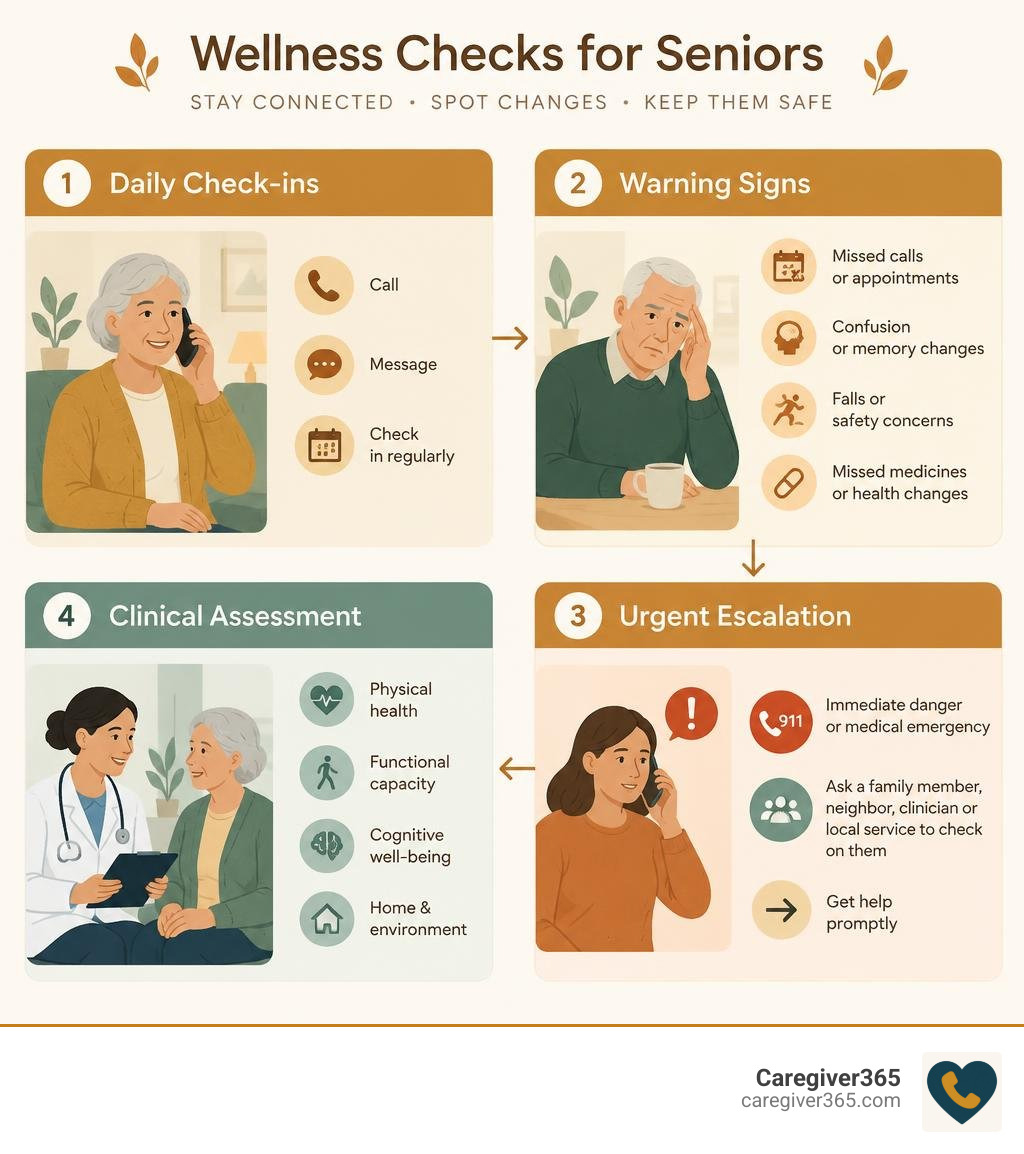
Wellness checks for seniors are worth requesting when an older parent who lives alone has a sudden change in routine, health, safety, or communication. Start with simple daily contact. If they miss calls, seem confused, fall, skip medicines or appointments, or cannot be reached, ask a nearby family member, neighbor, clinician, or local non-emergency service to check on them promptly. For an immediate danger or medical emergency, call 911.
A wellness check is not just a question of whether someone answers the phone. It can be an early warning system for changes that make living alone less safe, from falls and medication problems to loneliness and memory concerns.
For families, the goal is simple: create a dependable safety net that respects independence while making sure someone notices when something is wrong.
Understanding Clinical Wellness Checks for Seniors and Geriatric Assessments
As our loved ones age, their medical needs evolve from simple, single-issue primary care visits into complex webs of physical health, functional capacity, and cognitive well-being. Today, adults over the age of 65 account for well over a third of all primary care visits—a number that continues to climb as our population ages. Navigating this stage of life requires more than just reacting to acute illnesses; it demands a structured, proactive approach to longevity and health span.
At the core of proactive geriatric care is the clinical evaluation. According to established Comprehensive Geriatric Assessment guidelines, evaluating an older individual must extend far beyond standard vital signs. A true wellness check combines medical diagnostic rigor with a deep understanding of how a senior lives, moves, and navigates their environment every single day.
Comprehensive Geriatric Assessment vs. Standard Physicals
A standard adult physical focuses on reviewing organ systems, managing isolated symptoms, and adjusting prescriptions. In contrast, a Comprehensive Geriatric Assessment (CGA) is an intensive, multidimensional process designed to uncover hidden vulnerabilities before they turn into emergencies.
Rather than relying on a single physician looking at blood pressure cuffs and lab results, an effective CGA often draws upon an interdisciplinary team—such as family physicians, nurses, physical therapists, pharmacists, and social workers. This team evaluates:
- Physical Health: Evaluating chronic conditions, sensory loss, nutrition, and systemic health.
- Functional Status: Measuring the ability to perform daily tasks independently.
- Cognitive & Psychological Well-being: Screening for memory impairment, executive dysfunction, and mood disorders.
- Socioenvironmental Safety: Reviewing the safety of the living space, caregiver support networks, and financial security.
Evidence shows that this holistic evaluation delivers dramatic results. Regular geriatric assessments lead to reduced mortality, lower rates of acute hospital admissions, and a measurable decrease in nursing home placements, all while increasing overall satisfaction with care.
The 4Ms Age-Friendly Framework in Practice
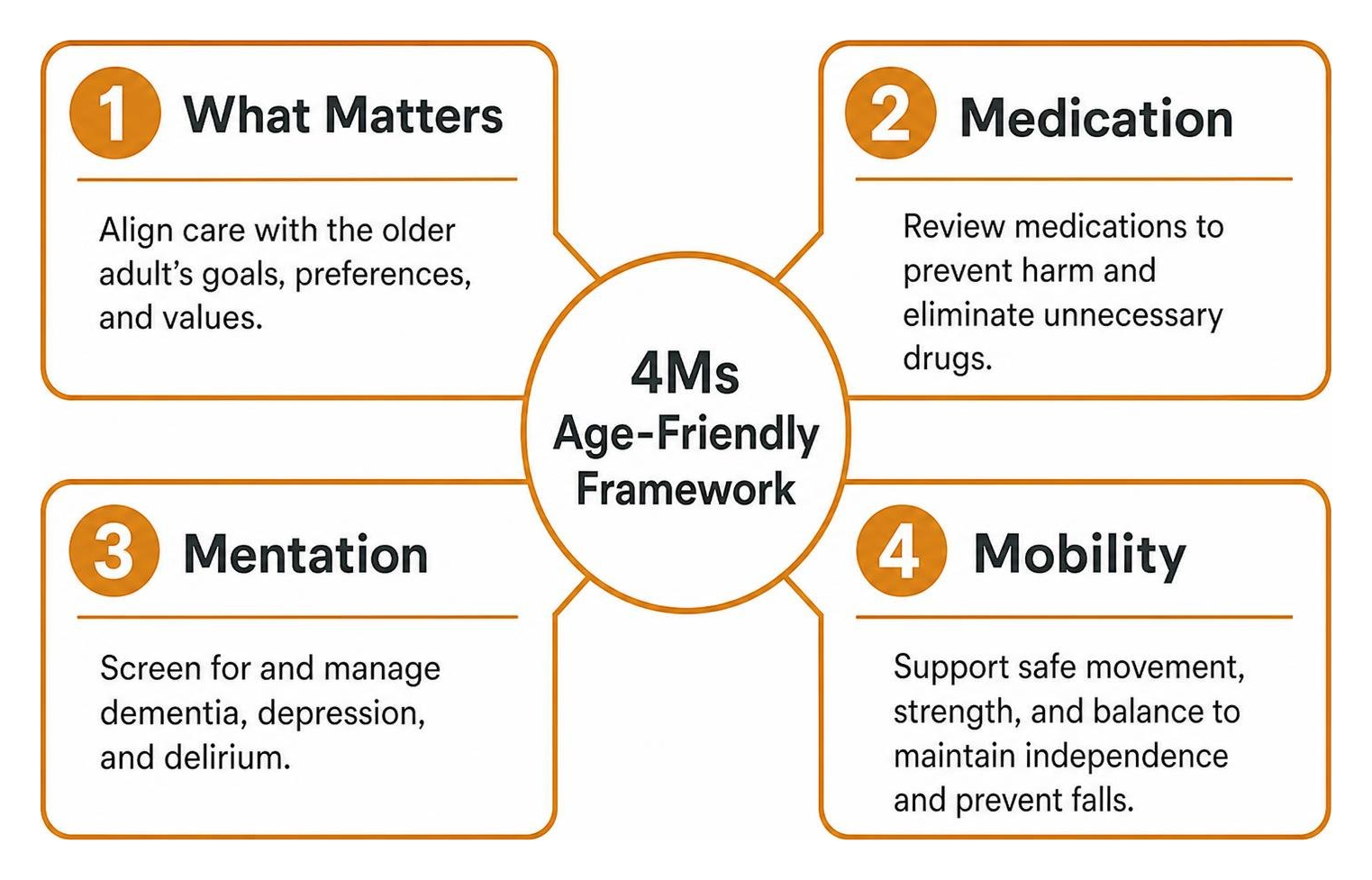
To streamline this comprehensive evaluation without overwhelming busy medical clinics, geriatric medicine relies on the Age-Friendly Health Systems model. Applying Age-Friendly Geriatric Assessment principles centers clinical visits around four core pillars known as the 4Ms:
- What Matters: Aligning the entire care plan with the older adult’s personal goals, preferences, and values. This includes advance care planning, understanding end-of-life wishes, and tailoring treatments to maintain the specific lifestyle priorities of the individual.
- Medication: Reviewing all prescriptions, over-the-counter supplements, and herbal products to prevent adverse drug events and eliminate unnecessary medications.
- Mentation: Actively screening for and managing dementia, depression, and delirium across all care settings.
- Mobility: Ensuring older adults retain the strength and balance needed to move safely, maintain independence, and prevent debilitating falls.
Some clinicians also incorporate a fifth M—Multicomplexity—to address the compounding challenges that arise when multiple chronic illnesses overlap with social vulnerability.
Essential Screening Tools and Functional Independence Metrics
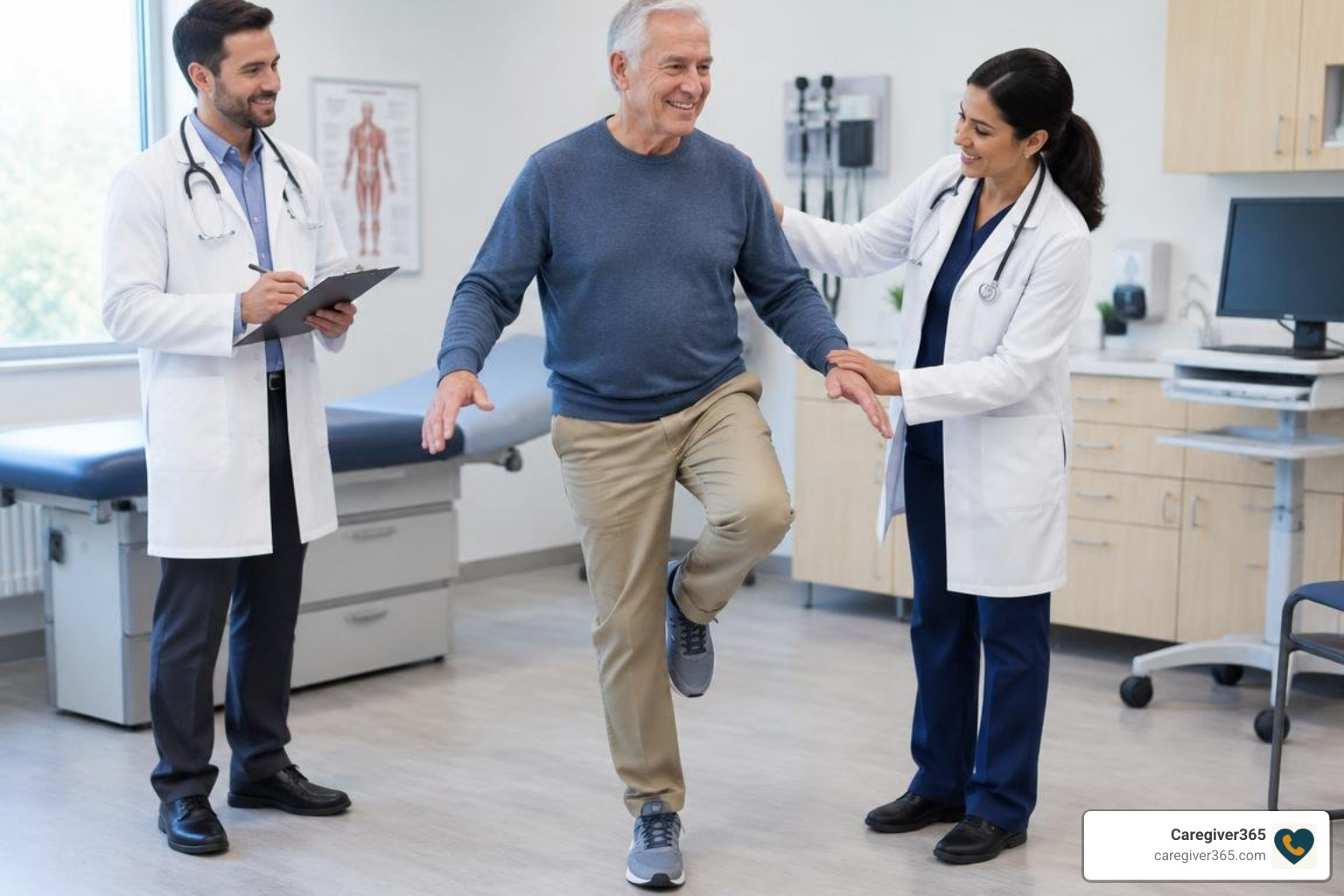
During an in-person clinical wellness check, objective screening tools replace guesswork with measurable health data. These quick, standardized instruments help clinicians and families identify subtle declines long before they cause a crisis.
Cognitive, Mood, and Mobility Screenings
Clinical assessments rely on brief, validated tools that can be administered in standard office visits:
- Mini-Cog: A quick screening test combining a three-item word recall with a clock-drawing test. It rapidly flags cognitive impairment and executive dysfunction, saving valuable time during routine exams.
- Geriatric Depression Scale (GDS-15): A short, 15-question instrument designed specifically to screen for depressive symptoms in older adults, differentiating clinical depression from cognitive decline or normal aging.
- STEADI Fall Risk Protocol: Developed by the CDC, the Stopping Elderly Accidents, Deaths, & Injuries (STEADI) framework begins with three simple questions: Have you fallen in the past year? Do you feel unsteady when standing or walking? Do you worry about falling? A positive answer triggers physical mobility tests like the Timed Up and Go (TUG) test, a 30-second chair stand, and a four-stage balance assessment, leading to targeted physical therapy referrals when needed.
Evaluating ADLs, IADLs, and Socioenvironmental Factors
Maintaining independence at home requires mastery of two distinct levels of daily function:
- Activities of Daily Living (ADLs): Basic self-care tasks essential for survival, including bathing, dressing, toileting, transferring (moving from bed to chair), eating, and maintaining continence.
- Instrumental Activities of Daily Living (IADLs): Complex activities required for independent community living, including managing finances, handling medications, preparing meals, shopping for groceries, using the telephone, and managing housekeeping.
When a senior begins struggling with IADLs, it is often the first visible indicator that their home environment needs additional support. In addition to functional metrics, clinicians and families must evaluate socioenvironmental health: checking for home hazards like loose rugs or poor lighting, assessing caregiver burnout, evaluating food security, and consulting community-based senior safety and caregiver resources to reinforce the safety net around the home.
Identifying When to Request Immediate Interventions

While scheduled clinical visits are necessary, real-world decline often happens between doctor appointments. Family members, neighbors, and long-distance caregivers must know how to spot emerging crises early.
Warning Signs That Signal When to Request Urgent Wellness Checks for Seniors
If an older adult living alone exhibits sudden changes in behavior or environment, do not wait for the next annual appointment. Request an urgent check if you notice:
- Communication Breakdowns: Multiple unanswered phone calls, unreturned messages, or a sudden inability to reach them during their normal daily routine.
- Physical Neglect: Rapid, unexplained weight loss, unwashed clothing, poor personal hygiene, or obvious unsteadiness and unexplained bruising.
- Household Disarray: Spoiled food sitting on counters, stacks of unopened bills, unpaid utility notices, medication bottles left scattered or untouched, or dangerous clutter near walkways.
- Disorientation: Missed medical appointments, confusion about the day or time, or conversations that seem unusually unorganized.
When immediate contact fails and you suspect acute danger, you can coordinate with local law enforcement or social services. Understanding the steps for requesting an urgent welfare check by phone or online ensures you know how dispatch protocols work, what information to provide, and how emergency responders handle non-emergency welfare checks on vulnerable adults.
Polypharmacy Risks and Metabolic Changes
One of the most frequent causes of sudden functional decline is medication mismanagement. Polypharmacy—defined as the routine use of five or more medications—significantly increases the risk of adverse drug interactions, dizziness, cognitive fog, and falls.
Clinicians use evidence-based criteria like the American Geriatrics Society Beers Criteria® and STOPP/START (Screening Tool of Older Persons’ Prescriptions / Screening Tool to Alert to Right Treatment) guidelines to identify potentially inappropriate medications for older adults. For example, sedatives, strong anticholinergics, and certain blood pressure medications can trigger sudden drops in blood pressure upon standing (orthostatic hypotension), leading to balance loss.
Regular medication reconciliations ensure that dosage adjustments, newly prescribed therapies, and metabolic changes are managed without creating dangerous side effects.
Medicare Coverage and Daily Safety Support Systems
Navigating healthcare resources and daily safety layers is essential for keeping seniors safe while respecting their autonomy.
Navigating Medicare Annual Wellness Visits and Preventive Benefits
Medicare Part B covers an Annual Wellness Visit (AWV) at no cost to the beneficiary. It is important to remember that the AWV is not an invasive, head-to-toe physical examination. Instead, it is a dedicated conversation focused on creating or updating a personalized prevention plan.
During an AWV, clinicians review:
- Medical, surgical, and family history.
- Current providers, prescriptions, and suppliers.
- Routine measurements (height, weight, blood pressure, BMI).
- Cognitive impairment and depression screenings.
- Fall risk and functional ability assessments.
- Preventive screening schedules and immunization updates.
Medicare also offers structured support through programs like the Medicare Diabetes Prevention Program for lifestyle management, alongside evolving coverage criteria for chronic metabolic conditions.
| Feature | Clinical Medicare Annual Wellness Visit | Daily Remote Check-In System |
|---|---|---|
| Frequency | Once every 12 months | Daily (customizable time) |
| Primary Focus | Long-term prevention, screening, care plans | Immediate safety confirmation, routine tracking |
| Provider | Physician, Nurse Practitioner, or Clinical Team | Automated communication service & Care Circle |
| Key Action | Updates medical records & orders screenings | Confirms well-being; alerts family if call is missed |
| Cost Model | Covered 100% by Medicare Part B | Low-cost monthly subscription |
Integrating Daily Wellness Checks for Seniors with Emergency Response
A clinical checkup once a year is critical for long-term health, but it cannot verify if an aging parent got out of bed safely this morning. That is why families build a multi-layered safety net combining clinical care, daily check-ins, and emergency tools.
While wearable panic buttons are common, many seniors choose not to wear them, leave them on the nightstand, or forget to charge them. Additionally, if an individual suffers a severe fall or sudden medical event causing loss of consciousness, they cannot press a button.
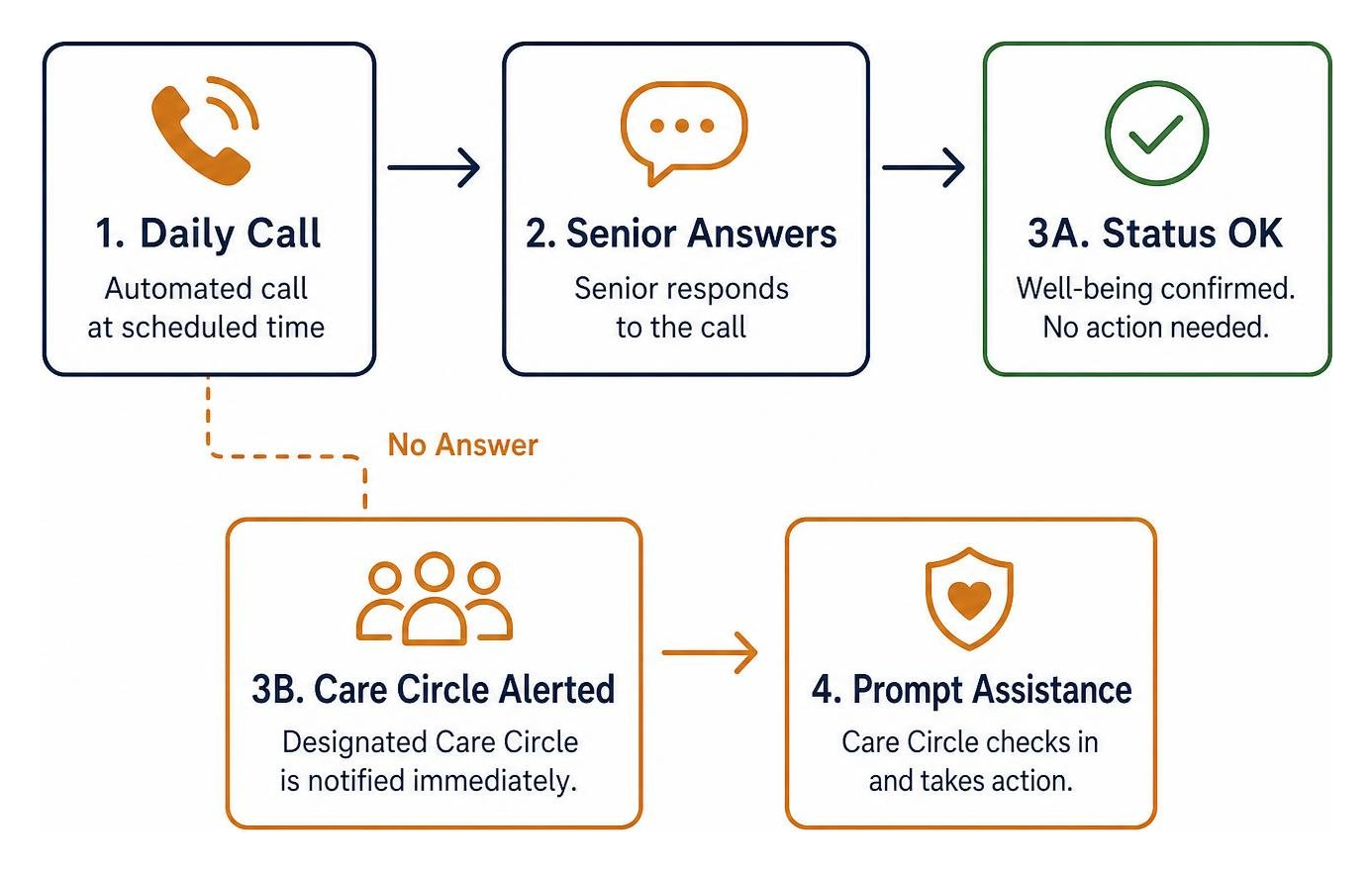
We believe the most reliable way to monitor daily safety is through scheduled, passive contact. Learning how daily automated check-in systems work illustrates how automated phone calls can bridge the gap between doctor visits. By requiring no wearable hardware, these systems operate reliably over any standard landline or cell phone, systematically alerting a designated family Care Circle if a scheduled call goes unanswered.
Frequently Asked Questions About Senior Wellness Checks
What is the difference between a Medicare Annual Wellness Visit and a regular physical exam?
A Medicare Annual Wellness Visit (AWV) is a preventive planning consultation, not a traditional physical exam. The provider will not listen to your heart and lungs, perform reflexive taps, or draw routine diagnostic bloodwork unless a specific concern arises. Instead, the AWV focuses on updating medical history, screening for cognitive decline, assessing depression and fall risk, reviewing medications, and drafting a 5-to-10-year personalized prevention plan. It is covered fully by Medicare Part B with zero copay.
How does routine wellness monitoring help prevent hospital readmissions?
Regular daily monitoring creates early detection channels. When an older adult misses a daily check-in call or mentions mild dizziness to a family member during a follow-up, caregivers can intervene before a minor issue escalates into a catastrophic fall, dehydration, or an adverse medication event. Consistent communication ensures medication adherence, catches changes in mobility early, and prevents the complications that commonly send seniors to the emergency room.
What steps are involved in a clinical fall risk assessment?
A clinical fall risk assessment follows the CDC STEADI guidelines:
- Initial Screening: Asking if the patient has fallen in the past year, feels unsteady, or worries about falling.
- Gait and Balance Testing: Conducting physical performance tests like the Timed Up and Go (TUG) test, 30-Second Chair Stand, and 4-Stage Balance Test.
- Vital Signs & Sensory Checks: Assessing orthostatic vital signs (checking blood pressure while lying down versus standing) and evaluating visual acuity.
- Medication Review: Identifying and tapering drugs that cause sedation or dizziness.
- Intervention Plan: Prescribing physical therapy, recommending vitamin D supplementation if deficient, and ordering home hazard assessments.
Conclusion
Helping an aging parent remain safe and independent at home does not require taking away their freedom. By pairing comprehensive clinical evaluations—guided by the 4Ms and validated screening tools—with consistent, day-to-day oversight, families can build a comprehensive support system that catches health declines early and responds to emergencies instantly.
At Caregiver365, our mission is to deliver dependable peace of mind to families everywhere. Our automated check-in service places a daily call to your loved one’s existing home phone or mobile device at the exact time you choose. When they answer, their well-being is confirmed. If they miss the call, our system immediately alerts up to eight members of your family Care Circle so someone can step in right away. Discover how daily check-in calls work to protect seniors living alone and keep your loved ones safe, connected, and thriving in the comfort of home.