
Independent comparison site · Advertiser Disclosure Medical Alert: (877) 909-4209 | Lifeline: (877) 488-1101
Compare Options

When to Request Professional Wellness Checks for Seniors Living Alone

When to Request Wellness Checks for Seniors Living Alone

Wellness checks for seniors are worth requesting when an older parent who lives alone has a sudden change in routine, health, safety, or communication. Start with simple daily contact. If they miss calls, seem confused, fall, skip medicines or appointments, or cannot be reached, ask a nearby family member, neighbor, clinician, or local non-emergency service to check on them promptly. For an immediate danger or medical emergency, call 911.

A wellness check is not just a question of whether someone answers the phone. It can be an early warning system for changes that make living alone less safe, from falls and medication problems to loneliness and memory concerns.

For families, the goal is simple: create a dependable safety net that respects independence while making sure someone notices when something is wrong.
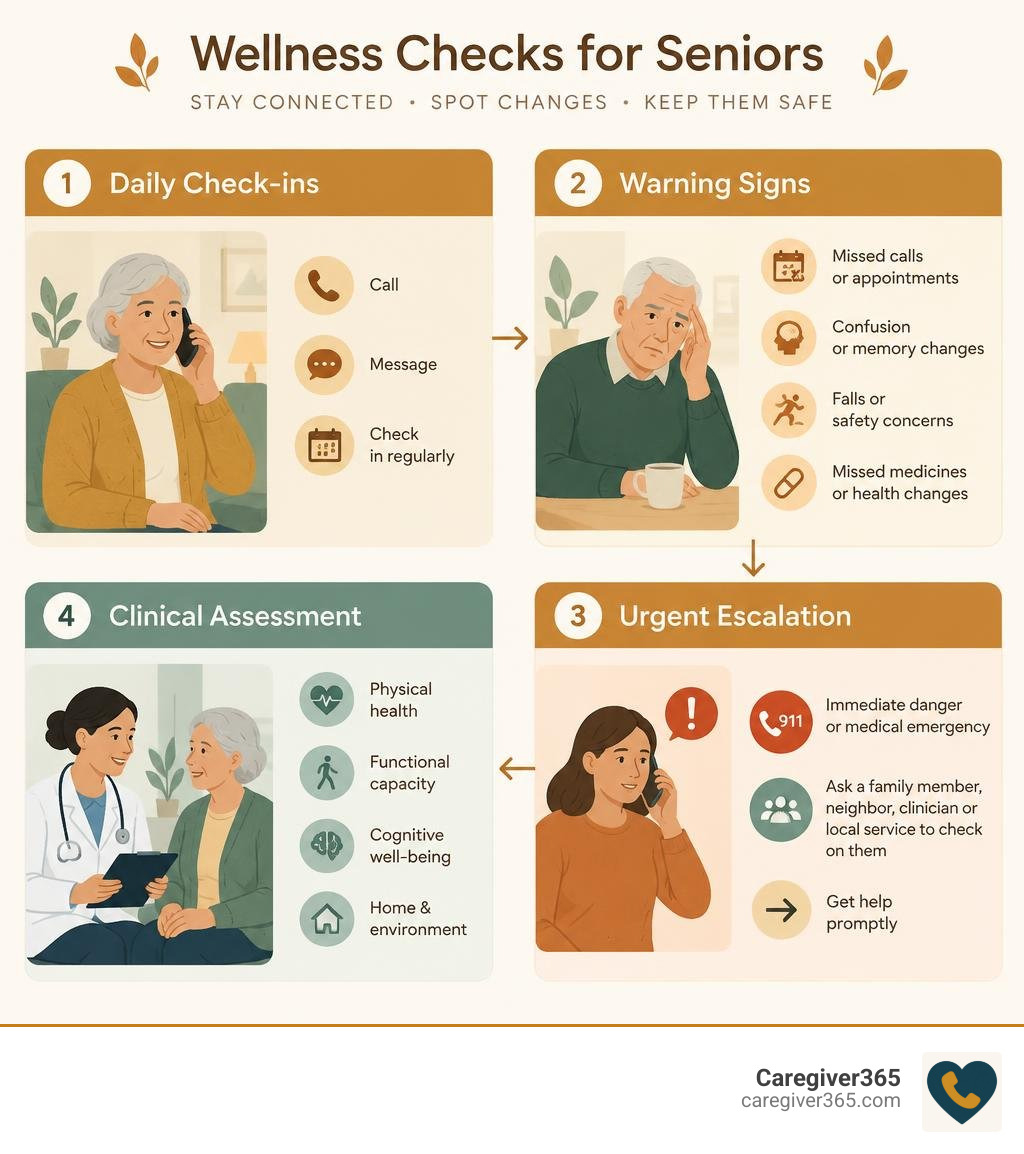
Infographic showing daily check-ins, warning signs, urgent escalation, and clinical assessment infographic

Understanding Clinical Wellness Checks for Seniors and Geriatric Assessments

As our loved ones age, their medical needs evolve from simple, single-issue primary care visits into complex webs of physical health, functional capacity, and cognitive well-being. Today, adults over the age of 65 account for well over a third of all primary care visits—a number that continues to climb as our population ages. Navigating this stage of life requires more than just reacting to acute illnesses; it demands a structured, proactive approach to longevity and health span.

At the core of proactive geriatric care is the clinical evaluation. According to established Comprehensive Geriatric Assessment guidelines, evaluating an older individual must extend far beyond standard vital signs. A true wellness check combines medical diagnostic rigor with a deep understanding of how a senior lives, moves, and navigates their environment every single day.

Comprehensive Geriatric Assessment vs. Standard Physicals

A standard adult physical focuses on reviewing organ systems, managing isolated symptoms, and adjusting prescriptions. In contrast, a Comprehensive Geriatric Assessment (CGA) is an intensive, multidimensional process designed to uncover hidden vulnerabilities before they turn into emergencies.

Rather than relying on a single physician looking at blood pressure cuffs and lab results, an effective CGA often draws upon an interdisciplinary team—such as family physicians, nurses, physical therapists, pharmacists, and social workers. This team evaluates:

  • Physical Health: Evaluating chronic conditions, sensory loss, nutrition, and systemic health.
  • Functional Status: Measuring the ability to perform daily tasks independently.
  • Cognitive & Psychological Well-being: Screening for memory impairment, executive dysfunction, and mood disorders.
  • Socioenvironmental Safety: Reviewing the safety of the living space, caregiver support networks, and financial security.

Evidence shows that this holistic evaluation delivers dramatic results. Regular geriatric assessments lead to reduced mortality, lower rates of acute hospital admissions, and a measurable decrease in nursing home placements, all while increasing overall satisfaction with care.

The 4Ms Age-Friendly Framework in Practice

To streamline this comprehensive evaluation without overwhelming busy medical clinics, geriatric medicine relies on the Age-Friendly Health Systems model. Applying Age-Friendly Geriatric Assessment principles centers clinical visits around four core pillars known as the 4Ms:

  1. What Matters: Aligning the entire care plan with the older adult’s personal goals, preferences, and values. This includes advance care planning, understanding end-of-life wishes, and tailoring treatments to maintain the specific lifestyle priorities of the individual.
  2. Medication: Reviewing all prescriptions, over-the-counter supplements, and herbal products to prevent adverse drug events and eliminate unnecessary medications.
  3. Mentation: Actively screening for and managing dementia, depression, and delirium across all care settings.
  4. Mobility: Ensuring older adults retain the strength and balance needed to move safely, maintain independence, and prevent debilitating falls.

Some clinicians also incorporate a fifth M—Multicomplexity—to address the compounding challenges that arise when multiple chronic illnesses overlap with social vulnerability.
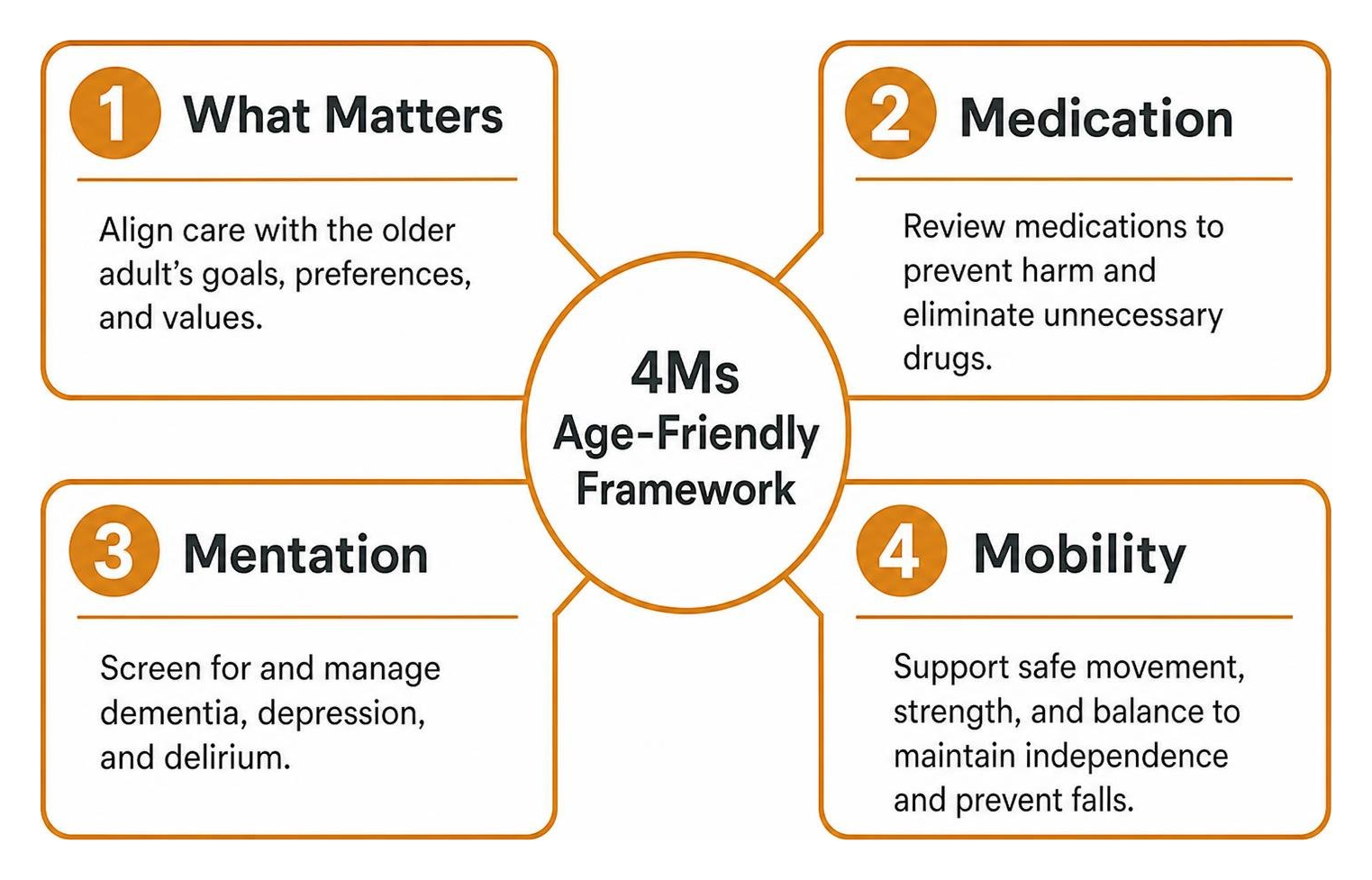
Diagram of the 4Ms Age-Friendly Framework: What Matters, Medication, Mentation, and Mobility

Essential Screening Tools and Functional Independence Metrics
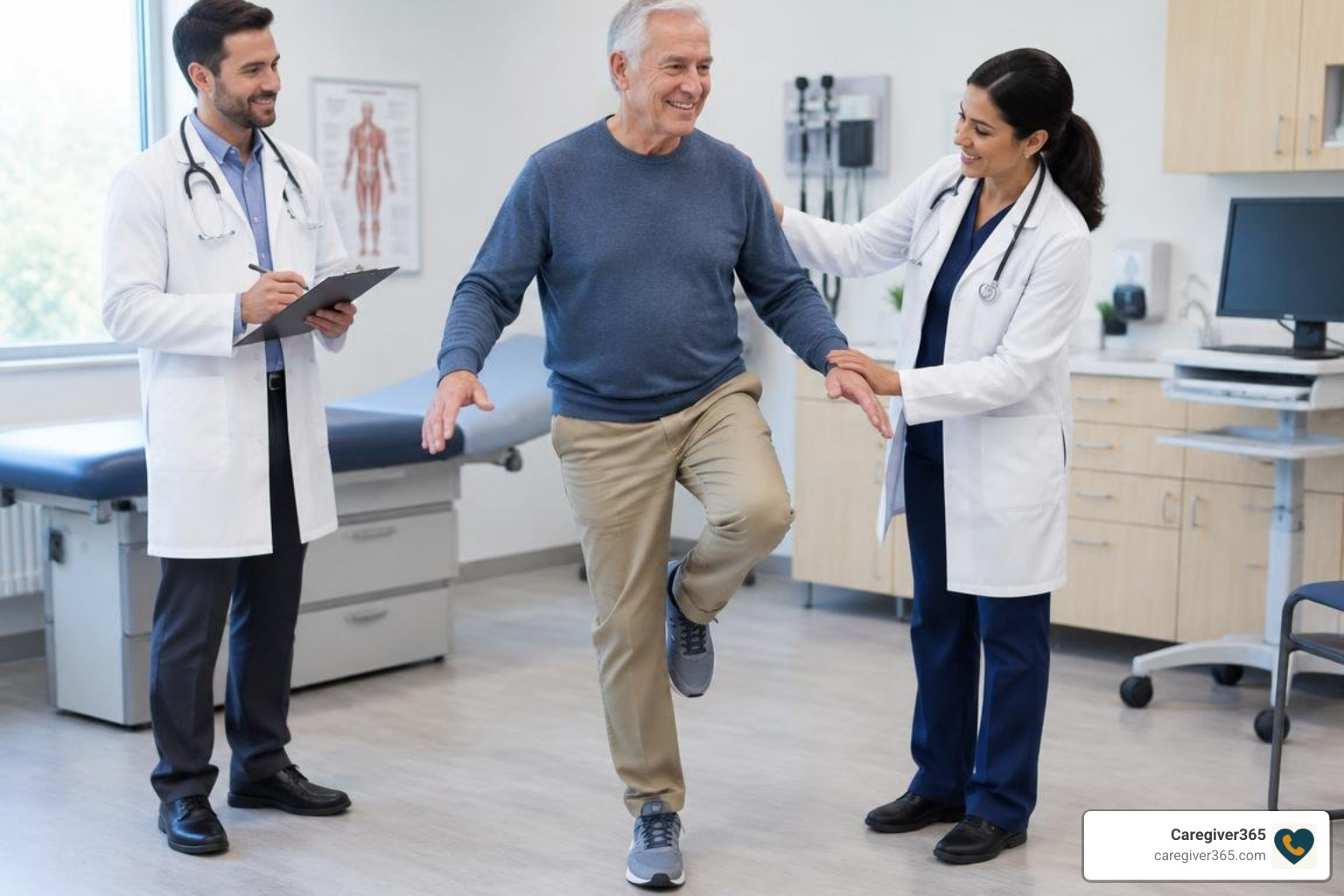
physician conducting cognitive and balance screenings with a senior

During an in-person clinical wellness check, objective screening tools replace guesswork with measurable health data. These quick, standardized instruments help clinicians and families identify subtle declines long before they cause a crisis.

Cognitive, Mood, and Mobility Screenings

Clinical assessments rely on brief, validated tools that can be administered in standard office visits:

  • Mini-Cog: A quick screening test combining a three-item word recall with a clock-drawing test. It rapidly flags cognitive impairment and executive dysfunction, saving valuable time during routine exams.
  • Geriatric Depression Scale (GDS-15): A short, 15-question instrument designed specifically to screen for depressive symptoms in older adults, differentiating clinical depression from cognitive decline or normal aging.
  • STEADI Fall Risk Protocol: Developed by the CDC, the Stopping Elderly Accidents, Deaths, & Injuries (STEADI) framework begins with three simple questions: Have you fallen in the past year? Do you feel unsteady when standing or walking? Do you worry about falling? A positive answer triggers physical mobility tests like the Timed Up and Go (TUG) test, a 30-second chair stand, and a four-stage balance assessment, leading to targeted physical therapy referrals when needed.

Evaluating ADLs, IADLs, and Socioenvironmental Factors

Maintaining independence at home requires mastery of two distinct levels of daily function:

  • Activities of Daily Living (ADLs): Basic self-care tasks essential for survival, including bathing, dressing, toileting, transferring (moving from bed to chair), eating, and maintaining continence.
  • Instrumental Activities of Daily Living (IADLs): Complex activities required for independent community living, including managing finances, handling medications, preparing meals, shopping for groceries, using the telephone, and managing housekeeping.

When a senior begins struggling with IADLs, it is often the first visible indicator that their home environment needs additional support. In addition to functional metrics, clinicians and families must evaluate socioenvironmental health: checking for home hazards like loose rugs or poor lighting, assessing caregiver burnout, evaluating food security, and consulting community-based senior safety and caregiver resources to reinforce the safety net around the home.

Identifying When to Request Immediate Interventions
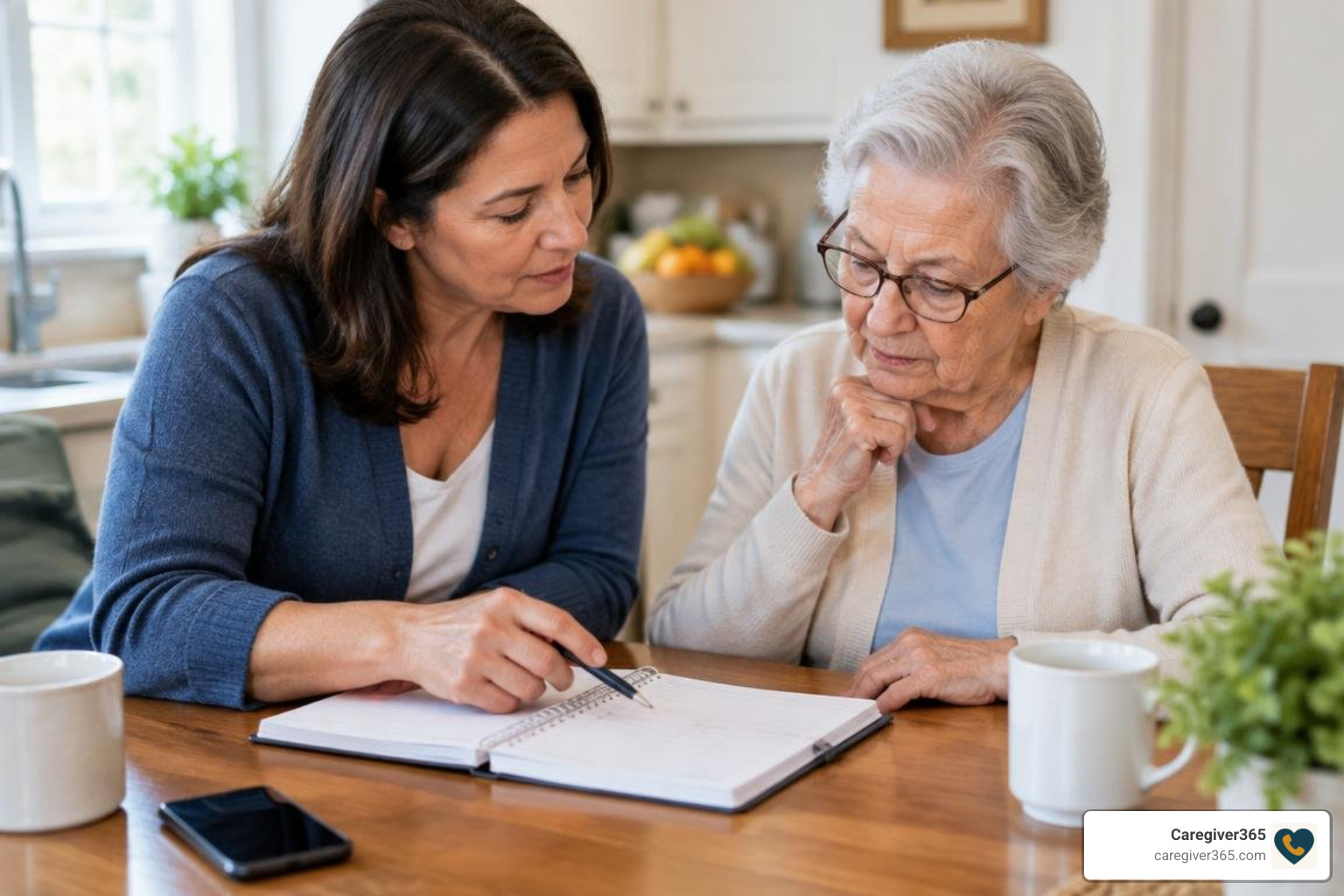
concerned adult child reviewing daily routines with an aging parent

While scheduled clinical visits are necessary, real-world decline often happens between doctor appointments. Family members, neighbors, and long-distance caregivers must know how to spot emerging crises early.

Warning Signs That Signal When to Request Urgent Wellness Checks for Seniors

If an older adult living alone exhibits sudden changes in behavior or environment, do not wait for the next annual appointment. Request an urgent check if you notice:

  • Communication Breakdowns: Multiple unanswered phone calls, unreturned messages, or a sudden inability to reach them during their normal daily routine.
  • Physical Neglect: Rapid, unexplained weight loss, unwashed clothing, poor personal hygiene, or obvious unsteadiness and unexplained bruising.
  • Household Disarray: Spoiled food sitting on counters, stacks of unopened bills, unpaid utility notices, medication bottles left scattered or untouched, or dangerous clutter near walkways.
  • Disorientation: Missed medical appointments, confusion about the day or time, or conversations that seem unusually unorganized.

When immediate contact fails and you suspect acute danger, you can coordinate with local law enforcement or social services. Understanding the steps for requesting an urgent welfare check by phone or online ensures you know how dispatch protocols work, what information to provide, and how emergency responders handle non-emergency welfare checks on vulnerable adults.

Polypharmacy Risks and Metabolic Changes

One of the most frequent causes of sudden functional decline is medication mismanagement. Polypharmacy—defined as the routine use of five or more medications—significantly increases the risk of adverse drug interactions, dizziness, cognitive fog, and falls.

Clinicians use evidence-based criteria like the American Geriatrics Society Beers Criteria® and STOPP/START (Screening Tool of Older Persons’ Prescriptions / Screening Tool to Alert to Right Treatment) guidelines to identify potentially inappropriate medications for older adults. For example, sedatives, strong anticholinergics, and certain blood pressure medications can trigger sudden drops in blood pressure upon standing (orthostatic hypotension), leading to balance loss.

Regular medication reconciliations ensure that dosage adjustments, newly prescribed therapies, and metabolic changes are managed without creating dangerous side effects.

Medicare Coverage and Daily Safety Support Systems

Navigating healthcare resources and daily safety layers is essential for keeping seniors safe while respecting their autonomy.

Medicare Part B covers an Annual Wellness Visit (AWV) at no cost to the beneficiary. It is important to remember that the AWV is not an invasive, head-to-toe physical examination. Instead, it is a dedicated conversation focused on creating or updating a personalized prevention plan.

During an AWV, clinicians review:

  • Medical, surgical, and family history.
  • Current providers, prescriptions, and suppliers.
  • Routine measurements (height, weight, blood pressure, BMI).
  • Cognitive impairment and depression screenings.
  • Fall risk and functional ability assessments.
  • Preventive screening schedules and immunization updates.

Medicare also offers structured support through programs like the Medicare Diabetes Prevention Program for lifestyle management, alongside evolving coverage criteria for chronic metabolic conditions.

Feature Clinical Medicare Annual Wellness Visit Daily Remote Check-In System
Frequency Once every 12 months Daily (customizable time)
Primary Focus Long-term prevention, screening, care plans Immediate safety confirmation, routine tracking
Provider Physician, Nurse Practitioner, or Clinical Team Automated communication service & Care Circle
Key Action Updates medical records & orders screenings Confirms well-being; alerts family if call is missed
Cost Model Covered 100% by Medicare Part B Low-cost monthly subscription

Integrating Daily Wellness Checks for Seniors with Emergency Response

A clinical checkup once a year is critical for long-term health, but it cannot verify if an aging parent got out of bed safely this morning. That is why families build a multi-layered safety net combining clinical care, daily check-ins, and emergency tools.

While wearable panic buttons are common, many seniors choose not to wear them, leave them on the nightstand, or forget to charge them. Additionally, if an individual suffers a severe fall or sudden medical event causing loss of consciousness, they cannot press a button.

We believe the most reliable way to monitor daily safety is through scheduled, passive contact. Learning how daily automated check-in systems work illustrates how automated phone calls can bridge the gap between doctor visits. By requiring no wearable hardware, these systems operate reliably over any standard landline or cell phone, systematically alerting a designated family Care Circle if a scheduled call goes unanswered.
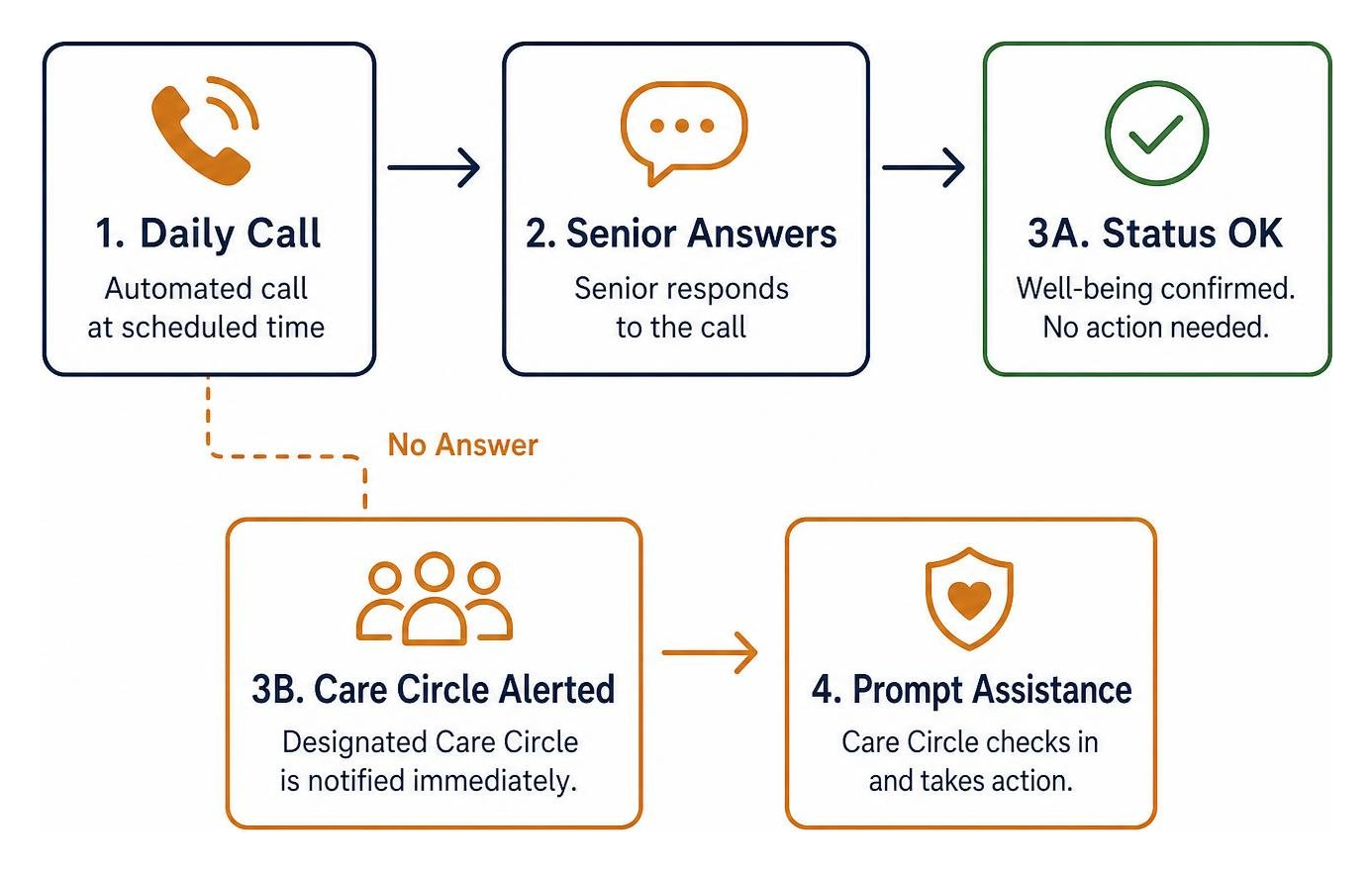
Diagram showing daily safety loop: Daily call to senior answers to status OK; or if missed to Care Circle alerted to prompt

Frequently Asked Questions About Senior Wellness Checks

What is the difference between a Medicare Annual Wellness Visit and a regular physical exam?

A Medicare Annual Wellness Visit (AWV) is a preventive planning consultation, not a traditional physical exam. The provider will not listen to your heart and lungs, perform reflexive taps, or draw routine diagnostic bloodwork unless a specific concern arises. Instead, the AWV focuses on updating medical history, screening for cognitive decline, assessing depression and fall risk, reviewing medications, and drafting a 5-to-10-year personalized prevention plan. It is covered fully by Medicare Part B with zero copay.

How does routine wellness monitoring help prevent hospital readmissions?

Regular daily monitoring creates early detection channels. When an older adult misses a daily check-in call or mentions mild dizziness to a family member during a follow-up, caregivers can intervene before a minor issue escalates into a catastrophic fall, dehydration, or an adverse medication event. Consistent communication ensures medication adherence, catches changes in mobility early, and prevents the complications that commonly send seniors to the emergency room.

What steps are involved in a clinical fall risk assessment?

A clinical fall risk assessment follows the CDC STEADI guidelines:

  1. Initial Screening: Asking if the patient has fallen in the past year, feels unsteady, or worries about falling.
  2. Gait and Balance Testing: Conducting physical performance tests like the Timed Up and Go (TUG) test, 30-Second Chair Stand, and 4-Stage Balance Test.
  3. Vital Signs & Sensory Checks: Assessing orthostatic vital signs (checking blood pressure while lying down versus standing) and evaluating visual acuity.
  4. Medication Review: Identifying and tapering drugs that cause sedation or dizziness.
  5. Intervention Plan: Prescribing physical therapy, recommending vitamin D supplementation if deficient, and ordering home hazard assessments.

Conclusion

Helping an aging parent remain safe and independent at home does not require taking away their freedom. By pairing comprehensive clinical evaluations—guided by the 4Ms and validated screening tools—with consistent, day-to-day oversight, families can build a comprehensive support system that catches health declines early and responds to emergencies instantly.

At Caregiver365, our mission is to deliver dependable peace of mind to families everywhere. Our automated check-in service places a daily call to your loved one’s existing home phone or mobile device at the exact time you choose. When they answer, their well-being is confirmed. If they miss the call, our system immediately alerts up to eight members of your family Care Circle so someone can step in right away. Discover how daily check-in calls work to protect seniors living alone and keep your loved ones safe, connected, and thriving in the comfort of home.
The Definitive Guide to Senior Safety Solutions

Identifying Major Fall Risks and In-Home Hazards

Comprehensive senior safety relies on four core pillars: eliminating household physical hazards with targeted home modifications (such as grab bars and non-slip flooring), upgrading pathway lighting, managing daily medications diligently, and establishing proactive daily check-in systems. Implementing these practical safeguards allows older adults to preserve their physical independence while effectively preventing domestic accidents.

Falls are the leading cause of fatal and non-fatal injuries among older adults, accounting for 85% of all injury-related hospitalizations in people aged 65 and older. While many view accidental falls as an unavoidable part of aging, they almost always stem from a predictable collision between physical vulnerability and preventable household hazards.

When gait instability, muscle weakness, and slowed reaction times meet everyday obstacles—like slick hardwood floors or curled carpet edges—the risk of a serious fall multiplies dramatically.

Environmental Hazards and Room-by-Room Risks

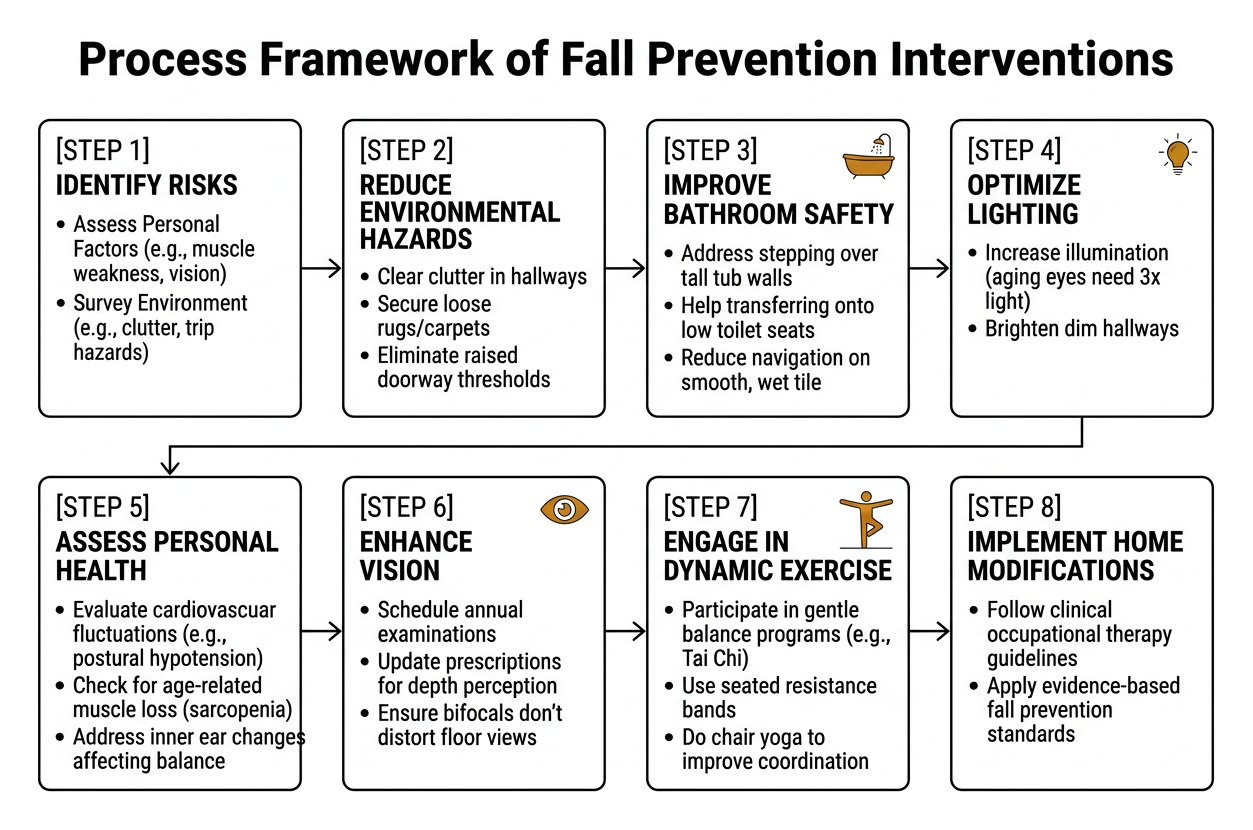
Most living spaces are designed for young, agile bodies. As mobility naturally changes, everyday design choices become physical obstacles. Loose throw rugs, slippery floor polishes, clutter in high-traffic hallways, and raised doorway thresholds are common contributors to domestic trips and slips.

The bathroom is the single most dangerous room in any home. Annually, over 234,000 older adults seek emergency care for injuries sustained in the bathroom. Stepping over tall tub walls, transferring onto low toilet seats, and navigating smooth, wet tile without support turn routine hygiene into a hazard.

Following evidence-based fall prevention standards allows families to identify overlooked environmental friction points—such as dim hallways and top-heavy side tables—and systematically eliminate them before an incident occurs.

Personal Health Factors, Vision, and Mobility

Environmental hazards represent only half of the equation; internal physiological factors are equally significant. Age-related muscle loss (sarcopenia) reduces joint stability, while inner ear changes affect balance. Cardiovascular fluctuations—such as postural hypotension, where blood pressure drops abruptly when moving from lying to standing—can trigger dizziness and faintness.

Sensory decline also plays a major role:

  • Visual acuity: Aging eyes require three times more light to see clearly than younger eyes. Reduced depth perception makes judging step heights difficult.
  • Annual examinations: Regular eye exams and updated prescriptions ensure bifocals or progressive lenses do not distort peripheral views of floor obstacles.
  • Dynamic exercise: Gentle balance programs like Tai Chi, seated resistance band training, and chair yoga improve neuromuscular coordination, helping seniors recover their footing if they trip.

Process framework of fall prevention interventions

Essential Senior Safety Modifications for the Home

Comprehensive home modifications can reduce fall risk by up to 70%. When environmental adaptations follow clinical occupational therapy guidelines, aging in place becomes practical, safe, and sustainable.

Home Modification Est. Installation Cost Fall Risk Impact Primary Area Protected
Professional Grab Bars $130 – $500 Very High (up to 70%) Bath, Shower, Toilet
Motion Night Lighting (300+ lux) $15 – $50 High Hallways, Stairs, Bedroom
Non-Slip Mats & Anti-Slip Flooring $15 – $40 High Bathroom, Kitchen, Entryway
Dual Staircase Handrails $100 – $350 Very High Interior/Exterior Steps
Raised Toilet Seat & Frame $40 – $120 Moderate Bathroom
Threshold Ramps / Beveled Edges $30 – $90 Moderate Doorways, Transitions

Bathroom Retrofitting and High-Risk Zones

Because bathroom slips account for significant trauma, securing wet surfaces must be the top priority. Suction-cup rails can fail under dynamic body weight; wall-mounted grab bars anchored directly into wall studs are essential.

When investing in professional bathroom accessibility modifications, consider these core upgrades:

  • Strategic Grab Bar Heights: Mount textured (peened) grab bars between 33 and 36 inches above the floor inside showers, alongside bathtubs, and beside toilets to support safe transfers.
  • Slip-Resistant Treatments: Apply non-slip coatings or mats with a static coefficient of friction rating of at least 0.6 COF to tub and shower basins.
  • Comfort-Height Fixtures: Install elevated toilet seats (17 to 19 inches high) or add sturdy safety frames to reduce hip strain when standing.
  • Walk-In Conversions: Replace high-walled tubs with low-threshold walk-in showers and handheld showerheads to allow seated, comfortable washing.

Stairway, Flooring, and Nighttime Lighting Upgrades

Staircases and nighttime paths between the bed and the bathroom require uninterrupted visibility and solid footing.

  1. Dual Handrails: Ensure continuous, secure handrails run along both sides of every staircase, extending past the top and bottom steps.
  2. Anti-Slip Stair Treads: Affix textured rubber treads or high-contrast non-skid strips to hard surfaces, helping seniors with low vision identify step edges easily.
  3. High-Output Lighting: Standard consumer nightlights typically emit only 30 to 80 lux. Upgrading to motion-activated fixtures delivering 300 to 500 lux clearly illuminates floor paths without creating blinding glare.
  4. Transition Strips: Eliminate loose area rugs and replace uneven doorway thresholds with beveled transition plates that accommodate walkers and shuffling feet.

Daily Health, Medication, and Environmental Management

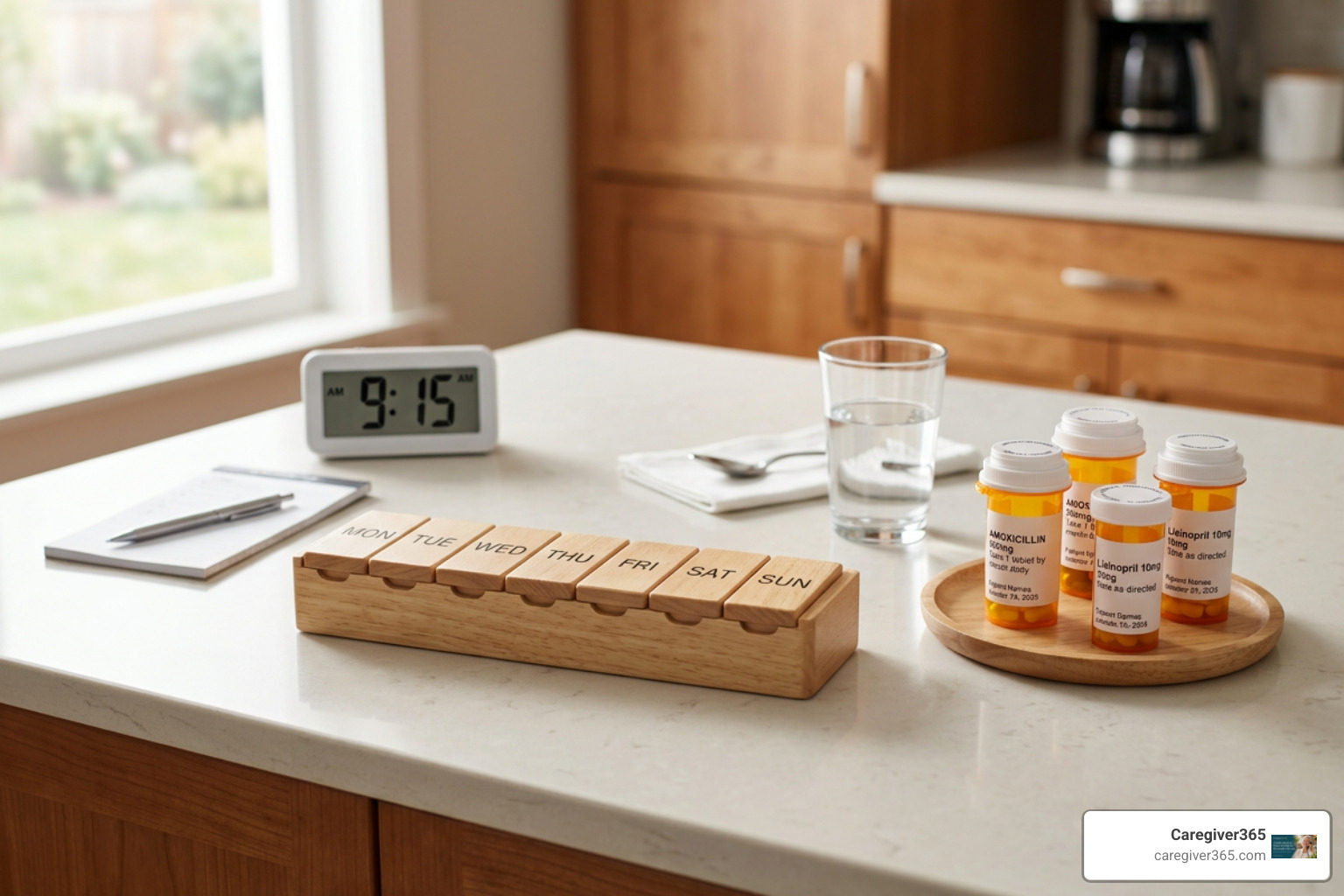
Organized home medication and safety station

Maintaining physical independence requires both a secure physical layout and consistent daily wellness habits. Environmental safety works best when paired with steady daily routines.

Medication Adherence and Management Protocols

Medication mismanagement is a major hidden driver of senior accidents. In fact, failing to take medications properly accounts for 25% of all hospital admissions among adults 65 and older.

Many common prescriptions—such as blood pressure stabilizers, sedatives, antidepressants, and diuretics—can cause drowsiness, slowed reflexes, or sudden lightheadedness.

To prevent errors and adverse interactions:

  • Use clearly marked 7-day or 14-day compartment pill organizers divided by morning, noon, and evening doses.
  • Keep all medications in their original labeled containers or clearly mark transferred prescriptions to prevent mix-ups.
  • Request an annual comprehensive medication review with a primary care physician or pharmacist to deprescribe redundant drugs.
  • Explore helpful senior wellness resources to establish daily adherence tracking and structured health habits.

Fire, Heating, and Carbon Monoxide Preparedness

Sensory changes can make it harder to detect smoke, burning food, or gas leaks. As a result, home fire safety requires active, redundant safeguards:

  • Smoke Alarm Coverage: Install interconnected smoke alarms inside every bedroom, directly outside all sleeping zones, and on every level of the home. Test them monthly.
  • Carbon Monoxide Detectors: Place CO monitors near central heating equipment and outside sleeping quarters to detect invisible fumes from furnaces or space heaters.
  • Space Heater Precautions: Keep portable heaters at least three feet away from curtains, bedding, and furniture. Choose models with automatic shut-off switches if tipped over.
  • Kitchen Awareness: Install auto-shutoff safety devices on stovetops, and keep an easy-to-use fire blanket or kitchen-rated extinguisher within reach of the cooking area.

Proactive Check-In and Safety Communication Systems

Senior safety communication tools

Even in a well-modified home, emergencies can happen. Getting help quickly after a fall is critical: medical research shows that rapid assistance reduces hospitalization risk by 26% and the risk of death by over 80%.

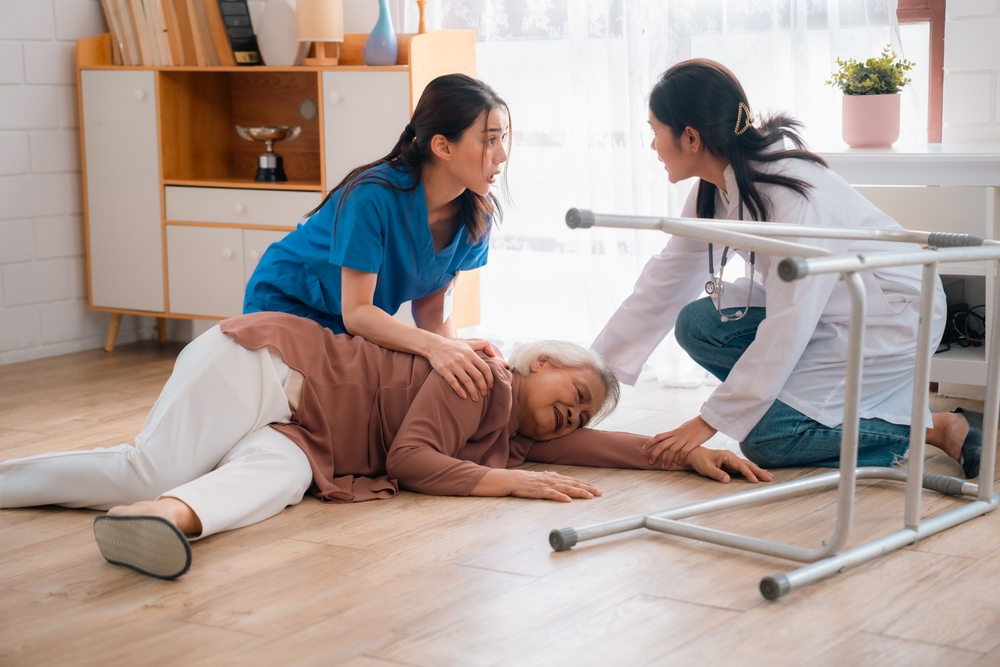
The primary challenge in emergency response is the “long lie”—when an individual falls, cannot reach a phone, and remains on the floor for hours. Proactive communication channels ensure someone checks in every single day.

Technology Solutions for Senior Safety at Home

Many families consider wearable alert pendants, yet studies show seniors frequently take them off before bed, leave them on the nightstand, or forget to recharge them.

Automated daily check-in calls provide a practical, non-intrusive safety net. When evaluating daily check-in calls versus medical alert buttons, automated calls offer a zero-friction layer of daily verification. They work reliably on any existing landline or mobile phone without requiring wearable gadgets or technical setup.

Understanding how automated daily check-in calls work gives families confidence: an automated call is placed to the senior at a scheduled time each day. When the senior answers and presses a button to confirm they are well, the system logs the successful check-in. If the call goes unanswered after multiple attempts, the system automatically alerts a designated “Care Circle” of up to eight family members, neighbors, or caregivers to follow up immediately.

Creating a Comprehensive Senior Safety Emergency Plan

Technology works best alongside a clear emergency action plan:

  1. Designate a Response Hierarchy: Establish which family member, nearby neighbor, or building manager acts as first, second, and third contact if a check-in is missed.
  2. Secure Home Access: Install an exterior secure lockbox with a house key so emergency personnel or family members can enter without damaging doors.
  3. Consolidate Emergency Information: Post a clear contact sheet on the refrigerator listing primary physicians, insurance details, baseline medical history, and emergency contacts.
  4. Choose Compatible Tools: Review our senior safety equipment buying guide to select devices that fit your loved one’s comfort level.
  5. Set Up Redundant Routines: Review how automated check-in systems work to combine automated verification calls with traditional medical alert buttons for layered protection.

Assessing Long-Term Needs: Mobility, Driving, and Care Transitions

Supporting independence at home also means recognizing when safety requirements evolve. Periodic, respectful assessments help identify when extra assistance is needed:

  • Driving Assessments: Watch for delayed braking reflexes, unexplained vehicle scuffs, near-misses, or getting turned around on familiar routes. Transitioning to local transport services or family rides preserves physical safety while maintaining social connection.
  • Mobility Changes: Noticeable changes in gait, frequent reliance on walls or furniture for support, or reluctance to leave home often signal shifting physical needs.
  • Activities of Daily Living (ADLs): Trouble managing meal preparation, personal hygiene, or household housekeeping indicates that in-home care aides or community support services may be beneficial.

Open, collaborative family discussions keep these transitions supportive rather than confrontational, allowing older adults to stay in control of their care decisions.

Frequently Asked Questions About In-Home Safety

What are the most common causes of senior falls at home?

The most frequent causes include environmental obstacles (such as loose throw rugs, wet tile, poor lighting, and floor clutter), balance and gait impairments, vision changes, and medication side effects that cause sudden dizziness or low blood pressure.

How can families effectively prevent medication errors in older adults?

Use structured pill organizers with separate daily compartments, set up automated reminder calls or phone alarms, and maintain a centralized list of all active medications. Scheduling an annual review with a pharmacist also helps identify and resolve negative drug interactions.

How do you assess when an aging parent needs additional home safety support?

Key signs include unexplained bruising from unreported trips, a decline in personal grooming, unopened mail, missed medication doses, weight changes from poor nutrition, and hesitation when navigating routine stairs or hallways.

Conclusion

Helping an aging parent remain safe and independent at home does not require complicated surveillance or drastic lifestyle changes. By systematically addressing bathroom hazards, improving indoor lighting, managing medications, and establishing dependable daily check-in habits, you can create a secure living environment where your loved ones can thrive.

At Caregiver365, we believe peace of mind comes from simple, reliable support. Our automated daily check-in service runs smoothly on any existing landline or mobile phone—no new equipment to install, wear, or recharge. If your parent misses their regular morning call, our system automatically alerts your designated Care Circle of up to eight family members and friends, ensuring someone checks in before hours turn into an emergency.

Take a proactive step toward protecting your family’s independence. Compare senior safety and check-in options today to find the right safety solution for your home.

Why It’s Important to Check in on Seniors

Checking In on Seniors: Why Daily Contact Matters

Quick answer: Checking in on seniors reduces isolation, helps catch health problems early, and gives families peace of mind. Daily contact does not have to mean daily phone calls from a busy adult child. Automated senior check-in services, like Caregiver365’s daily call, confirm a loved one is safe without requiring new devices, apps, or a change in routine.

For families with aging parents, a daily hello can mean the difference between catching a problem early and finding out too late. Yet many caregivers already juggle jobs, kids, and their own households, making a daily phone call harder to keep up than it sounds.

This is where Caregiver365’s automated check-in solutions come in. They offer a consistent way to confirm a senior is okay, without asking anyone to learn new technology or change their phone.

Why Regular Check-Ins Matter for Senior Wellness

Consistent contact with family does more than offer comfort. It plays a real role in a senior’s health and happiness.

  • Reduced isolation. Frequent contact helps seniors feel less alone, which supports better mental health.
  • Early detection. A missed check-in can be the first sign that something is wrong, giving family a chance to respond quickly.
  • Better quality of life. Seniors who feel connected to their families tend to report a stronger sense of well-being.

Senior check-ins are not just a courtesy. They are a proactive way to catch small problems before they become emergencies.

Why Is It Hard to Stay Connected With Aging Parents?

Adult children want to check in on their parents every day, but life gets in the way.

  • Work schedules, childcare, and daily responsibilities leave little room for a consistent call.
  • Seniors themselves may forget to reach out, especially if memory or routine has started to slip.
  • Manual check-in systems, like a family calendar of who calls when, are hard to maintain and easy to let slide.

The result is a gap between the intention to check in on seniors regularly and the reality of a busy household.

How Do Automated Daily Check-In Calls Work?

Caregiver365’s daily check-in service closes that gap without adding complexity.

  1. A call arrives at a time the family chooses.
  2. The senior answers and presses 1 to confirm they are okay.
  3. If the call goes unanswered, the service retries several times over the following hour.
  4. If there is still no response, the senior’s Care Circle is notified by phone, text, or email.

No smartphone, app, or extra device is required. The service works on any landline or cell phone the senior already uses.

What Are the Benefits of Automated Check-In Services?

  • Consistency. A daily confirmation replaces the guesswork of “did anyone hear from Mom today?”
  • Less caregiver stress. Families gain reassurance without needing to make the call themselves.
  • Independence for seniors. A senior can continue living on their own terms while staying connected.
  • Faster alerts. If something seems wrong, family members are notified right away instead of finding out hours or days later.

How Do You Get Started With a Check-In Service?

Setting up senior check-ins through Caregiver365 involves a few simple choices:

  1. Pick a time of day that fits the senior’s routine.
  2. Add up to eight family members or friends to the Care Circle.
  3. Add optional reminders, such as medication alerts, to the daily call.
  4. Use the existing phone line at home. No new devices are needed.

Frequently Asked Questions

What is a senior check-in service?

A senior check-in service places an automated daily call to confirm an older adult is safe. If the call is missed, the service retries and then alerts a designated Care Circle.

Does a check-in service require a smartphone?

No. Caregiver365’s daily check-in call works on any landline or cell phone. No app or additional device is required.

What happens if my loved one misses the check-in call?

The service calls back several times over the following hour. If there is still no answer, family members in the Care Circle are notified by phone, text, or email.

How is a check-in call different from a medical alert button?

A check-in call is proactive, confirming a senior is okay each day. A medical alert button is reactive, used the moment an emergency happens. Many families use both together.

How many people can be added to a Care Circle?

Up to eight family members or friends can be added to receive alerts if a check-in is missed.

Make Checking In on Seniors Part of the Routine

Checking in on seniors is one of the simplest, most meaningful things a family can do. It will not prevent every problem, but it builds a daily habit of connection and catches issues before they grow.

Automated check-in services take the pressure off busy schedules while keeping that daily thread of contact intact. Caregiver365’s daily check-in call gives families a reliable way to confirm a loved one is safe, without adding another task to an already full day.

Ready to make senior check-ins easier for your family? Visit Caregiver365 to learn how the daily check-in call works and start protecting the people you care about most.

Common Fall-Related Injuries

What Are the Most Common Fall-Related Injuries for Seniors?

Quick answer: The most common fall-related injuries among older adults include hip fractures, spinal injuries, wrist and arm fractures, and head injuries. Each of these can affect mobility, independence, and long-term health, which is why quick recognition and proper care matter. Caregiver365 helps families recognize these risks early and find the right support to keep loved ones safe.

A fall can happen in seconds, but the effects can last much longer. For older adults, getting injured after falling often means more than a few bruises. It can mean surgery, months of rehabilitation, or a permanent change in how independently they live.

If you’re caring for an aging parent or loved one, knowing what to watch for after a fall can make all the difference. Below, we’ll break down the most common fall-related injuries, what to look out for, and how Caregiver365 can help you keep your family safer.

4 Common Injuries After Falling Down

1. Why Are Hip Fractures So Serious for Older Adults?

Hip fractures are one of the most life-altering injuries that can result from a fall. They typically happen when someone lands directly on the side of the hip, and for seniors with weaker bones, even a minor fall can cause a break.

Recovering from a hip fracture usually involves surgery followed by weeks or months of physical therapy. Beyond the physical toll, hip fractures often lead to a real loss of independence. Many seniors need help with daily tasks they used to handle on their own, making the right support system essential.

2. How Can a Fall Damage the Spine?

Falls put a lot of force on the spine, and the resulting injuries can range from a sore back to something far more serious. Spinal injuries from falls may include fractures, herniated discs, or in rare cases, spinal cord damage that leads to paralysis.

If your loved one falls and complains of neck or back pain, numbness, or tingling, don’t try to move them. Call for emergency help right away. Spinal injuries need immediate medical evaluation, since early treatment can make a big difference in long-term outcomes.

3. Why Are Wrist and Arm Fractures So Common After a Fall?

When someone starts to fall, their instinct is to reach out and catch themselves. That natural reflex is a major reason wrist and arm fractures are among the most common injuries caused by falls.

These injuries might seem less severe than a hip or spinal injury, but don’t underestimate them. A broken wrist can make it hard to cook, get dressed, or even hold a cup of coffee. Recovery often requires a cast or splint, and more serious fractures may need surgery to heal properly.

4. What Head Injury Warning Signs Should You Watch for After a Fall?

Head injuries deserve extra attention, especially for seniors taking blood thinners. Even a fall that seems minor can cause internal bleeding that isn’t obvious right away. Watch for these warning signs after any fall involving the head:

  • Confusion or memory loss
  • Persistent headache
  • Nausea or vomiting
  • Drowsiness or difficulty staying awake
  • Slurred speech or vision changes

If you notice any of these symptoms, seek medical attention immediately. When it comes to head injuries, it’s always better to be cautious.

How Can Families Help Prevent Fall-Related Injuries?

The good news is that many fall-related injuries are preventable with the right precautions. Here are a few steps families and caregivers can take:

  • Remove tripping hazards like loose rugs and clutter
  • Install grab bars in bathrooms and handrails on stairs
  • Encourage regular balance and strength exercises
  • Schedule routine vision and medication checkups, since certain medications can affect balance
  • Consider a personal caregiver for extra support with daily activities

This is exactly where Caregiver365 comes in. Our team connects families with trusted in-home care services designed to reduce fall risk and support recovery if an injury does happen. From mobility assistance to daily check-ins, we help seniors stay safe at home while giving families real peace of mind.

Protecting Your Loved One Starts Today

Fall-related injuries can be scary, but they don’t have to catch your family off guard. Knowing the signs of hip fractures, spinal injuries, wrist and arm fractures, and head injuries helps you act quickly when it matters most.

If you want extra support, Caregiver365 is here to help. Check out our recommended caregiving services today and give your loved ones the safety net they deserve.